
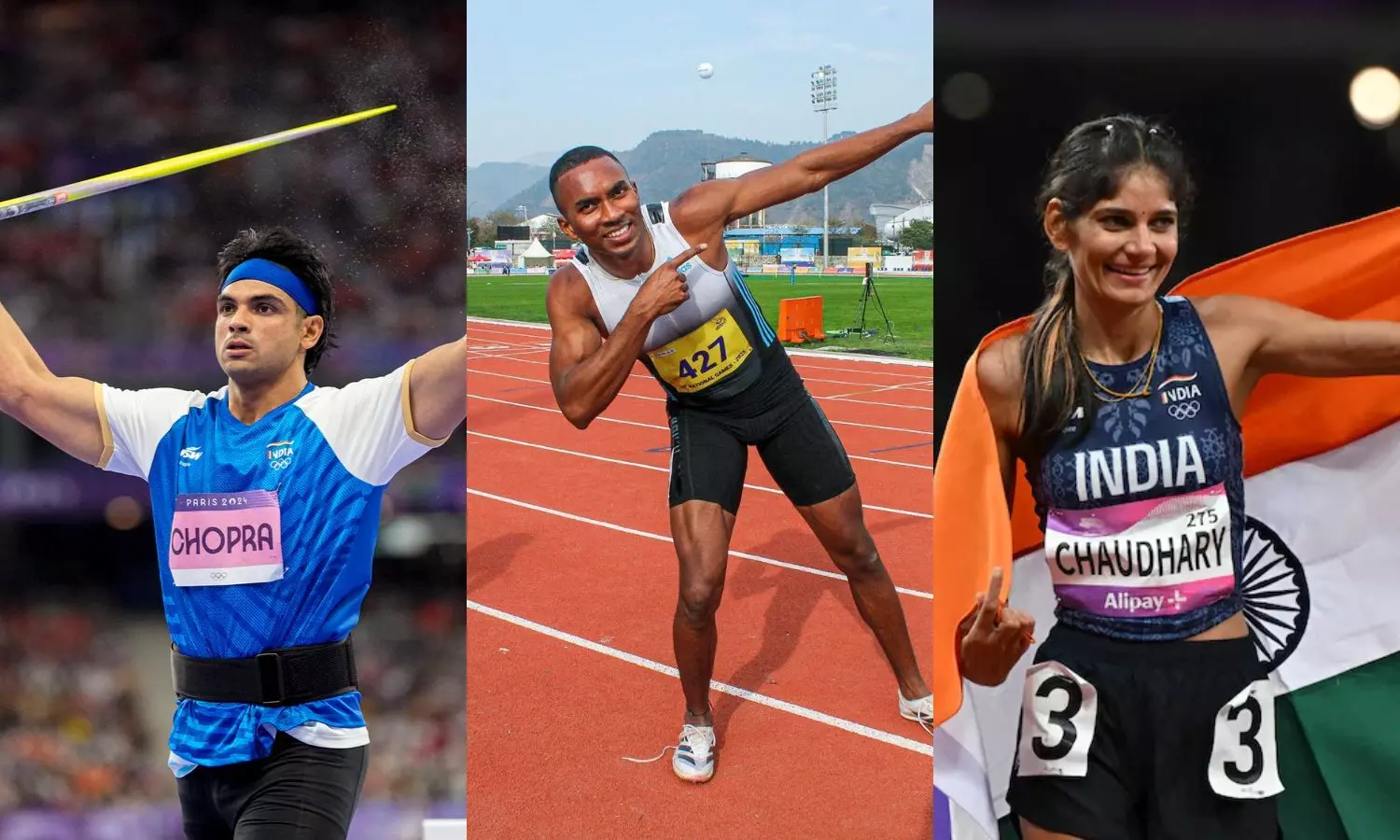
World Athletics Championships Timetable
The world athletics championships timetable is one of the most anticipated schedules in global sports, bringing together elite athletes from across the world to compete in track and field events. Organized by World Athletics, this championship showcases speed, endurance, and skill at the highest level. Fans eagerly follow the timetable to ensure they do not miss iconic races like the 100m sprint or the marathon.
Understanding the world athletics championships timetable is essential for viewers, athletes, and analysts alike. The schedule is carefully structured to balance preliminary heats, semifinals, and finals over multiple days. Each session is divided into morning and evening segments, allowing for optimal performance conditions and maximum audience engagement worldwide.
This blog will guide you through everything you need to know about the world athletics championships timetable, including event structure, key highlights, and how to follow the action seamlessly.
Structure of the World Athletics Championships Timetable
The world athletics championships timetable is designed to accommodate a wide range of events while maintaining a smooth flow throughout the competition. Typically, the championships span around 9–10 days, with each day featuring multiple disciplines.
Morning sessions usually include qualifying rounds for track events and preliminary rounds for field events. These sessions are crucial as athletes aim to secure their place in the next stage. Evening sessions, on the other hand, are more intense and exciting, often featuring semifinals and finals where medals are decided.
The world athletics championships timetable ensures that high-profile events are strategically placed during prime viewing hours. This includes events like the 100m, 200m, and relay races, which attract massive global audiences. Field events such as long jump, high jump, and javelin are also scheduled to maintain a balance between track and field excitement.
Key Events Highlighted in the Timetable
The world athletics championships timetable prominently features some of the most thrilling events in athletics. Among these, sprint races are the most watched. The men’s and women’s 100m finals are often considered the highlight of the championships.
Middle-distance and long-distance races, including the 1500m and 5000m, are also key attractions. These events test athletes’ endurance and tactical abilities, making them unpredictable and exciting. Field events like pole vault and discus throw bring a different kind of intensity, showcasing technical excellence.
Relay races, especially the 4x100m and 4x400m, are strategically placed towards the end of the timetable. These events often deliver dramatic finishes and are fan favorites. The world athletics championships timetable ensures that each day offers a mix of track and field events, keeping the audience engaged throughout the competition.
Daily Breakdown of the Timetable
A typical day in the world athletics championships timetable begins with morning sessions around 9:00 AM local time. These sessions include heats for sprint events and qualification rounds for field events. Athletes use this time to secure their progression to the next stage.
Evening sessions usually start around 6:00 PM and are packed with high-stakes competitions. Semifinals and finals dominate this part of the timetable, with medals being awarded in several events. This structure allows athletes sufficient recovery time between rounds while maintaining the excitement for viewers.
The world athletics championships timetable also includes rest days or lighter schedules for certain disciplines like the decathlon and heptathlon. These multi-event competitions span over two days and require careful scheduling to ensure fairness and performance quality.
Importance of Timetable for Athletes
For athletes, the world athletics championships timetable plays a crucial role in performance planning. Competitors must prepare according to their event timings, ensuring peak physical and mental readiness.
Sprinters, for example, may have multiple rounds within a short period, requiring efficient recovery strategies. Distance runners need to manage their energy across heats and finals, while field event athletes must adapt to changing conditions throughout the day.
The world athletics championships timetable also influences training schedules leading up to the event. Athletes often simulate competition timings during practice to align their body clocks with the actual event schedule. This preparation can make a significant difference in performance outcomes.
How Fans Can Follow the Timetable
Fans around the world rely on the world athletics championships timetable to stay updated with their favorite events. With competitions happening across different time zones, having access to the timetable ensures that viewers do not miss key moments.
Television broadcasts and streaming platforms usually align their coverage with the official timetable. Many fans create personalized schedules, marking important events like finals and medal ceremonies. Mobile apps and sports websites also provide real-time updates based on the timetable.
The world athletics championships timetable is especially important for international audiences, as they need to adjust viewing times according to their local time zones. This global accessibility is one of the reasons why the championships attract millions of viewers worldwide.
Evolution of the Championships Timetable
Over the years, the world athletics championships timetable has evolved to meet the demands of modern sports broadcasting and athlete performance. Earlier editions had less structured schedules, but today’s timetable is highly optimized.
Advancements in technology have allowed organizers to create more precise schedules, minimizing delays and ensuring smooth transitions between events. The inclusion of night sessions has also enhanced the viewing experience, especially for global audiences.
The world athletics championships timetable now considers factors like weather conditions, athlete recovery, and television ratings. This evolution reflects the growing importance of athletics as a global sport and the need to deliver a world-class experience for both participants and fans.
Challenges in Creating the Timetable
Designing the world athletics championships timetable is not without challenges. Organizers must balance multiple factors, including the number of events, athlete participation, and venue availability.
Weather conditions can also impact the timetable, especially for outdoor events. Rain or extreme heat may require adjustments to ensure athlete safety. Additionally, coordinating with broadcasters across different regions adds another layer of complexity.
Despite these challenges, the world athletics championships timetable is meticulously planned to deliver a seamless experience. Organizers work months in advance to finalize the schedule, ensuring that every detail is accounted for.
Future Trends in Championships Scheduling
The future of the world athletics championships timetable is likely to include more technological integration. Artificial intelligence and data analytics could play a role in optimizing schedules for both athletes and viewers.
There is also a growing emphasis on sustainability, which may influence how events are scheduled to reduce energy consumption and environmental impact. Flexible scheduling could become more common, allowing adjustments based on real-time conditions.
The world athletics championships timetable will continue to evolve, reflecting changes in sports science, broadcasting, and audience preferences. This adaptability ensures that the championships remain relevant and engaging for future generations.
Conclusion
The world athletics championships timetable is much more than just a schedule; it is the backbone of one of the world’s most prestigious sporting events. From organizing heats and finals to ensuring global accessibility, the timetable plays a vital role in the success of the championships.
Read More:- World Athletics Day: Inspiring Youth Through Global Sports Spirit