
Introduction
People all around the world have always been very interested in cricket matches between the New Zealand national team and the India national team. Every time these two sides play, it’s interesting and unpredictable because they come from different cricket cultures, climates, and styles of play. When these two teams play one other, the scorecard becomes more than just a list of numbers. It becomes a long story about strategy, execution, individual genius, and working together.
The scorecard for the New Zealand vs. India game shows how the weather, the players’ form, and the choices they make all affect the final result. The scorecard includes everything, from opening partnerships to middle-order solidity, bowling spells to fielding efforts. This article gives a full, clear, and useful look at a scorecard for a cricket match between the New Zealand national team and the India national team. It explains what the numbers mean and why they are important.
The history of the rivalry
India and New Zealand have played cricket together for a long time in all versions of the game. India is noted for its deep batting and spin bowling, whereas New Zealand is famed for its discipline, ability to adjust, and collaboration. No matter where they play, these teams usually have very close games.
The scorecard from any match between New Zealand and India shows how evenly matched the teams are. It highlights how Indian hitters deal with swing and seam, how New Zealand batters deal with spin, and how captains change their plans at important points in the game. Fans can better understand how close the game was by looking at the scorecard.
Summary of the Match
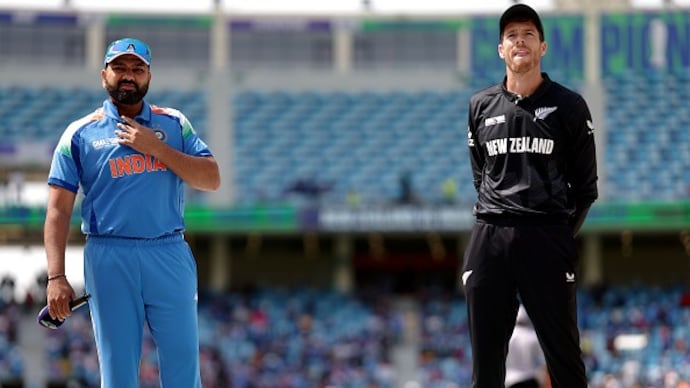
A regular scorecard for a match between the New Zealand national cricket team and the India national cricket team starts with basic facts about the match, like where it took place, who won the toss, and how it was played. These things are crucial because they give the acts that come next a setting.
The toss is often quite important, especially when the weather or the way the pitch behaves changes during the game. The order in which a team bats or bowls can affect how the innings goes and how the scorecard changes over time.
First Innings Analysis Batting Performance
The first innings of a New Zealand vs. India match sets the stage for the rest of the game. The batting scorecard indicates how the openers handle the new ball, how the middle order builds or speeds up the innings, and how the bottom order helps at the conclusion.
When India bats first, the scorecard frequently shows that the top-order hitters got off to a good start. Their ability to change the strike and penalize loose deliveries shows in their steady run rates and strong partnerships. New Zealand traditionally focuses on patience and shot selection, especially when facing good spin bowling.
This is an illustration of what a first-innings batting scorecard might look like.
First Innings Batting Scorecard
| Batter | Runs | Balls | Fours | Sixes | Strike Rate |
|---|---|---|---|---|---|
| Opener 1 | 45 | 62 | 5 | 0 | 72.58 |
| Opener 2 | 38 | 55 | 4 | 1 | 69.09 |
| Middle Order | 64 | 71 | 6 | 2 | 90.14 |
| Lower Order | 28 | 22 | 2 | 1 | 127.27 |
This kind of table makes it easy for readers to see who made a big difference and how fast they did it. In limited-overs formats, the strike rate becomes especially crucial.
Bowling Performance
The scorecard’s bowling section shows how well or poorly the fielding side did in the first innings. It has the number of overs bowled, maidens, runs given up, and wickets taken.
New Zealand bowlers are recognized for their steady line and length, while Indian bowlers use different types of spells to generate pressure. The scorecard shows which bowlers were effective and when during the innings.
First Innings Bowling Scorecard
| Bowler | Overs | Runs | Wickets | Economy |
|---|---|---|---|---|
| Fast Bowler | 10 | 42 | 2 | 4.20 |
| All-Rounder | 8 | 36 | 1 | 4.50 |
| Spinner | 10 | 38 | 3 | 3.80 |
These numbers indicate how bowlers changed the game and made it harder to score.
Analysis of the Second Innings
Going after or protecting a target
The second innings scorecard is usually more important, especially in close games. If India is trying to catch up to New Zealand’s score, the scoreboard shows how well the batsmen are doing at keeping up with the required run rate. If New Zealand is chasing, it demonstrates how they deal with spin and reverse swing.
The aspect about fall of wickets is very essential in the second innings. It shows when the momentum changed and when the match may have gone in favor of one team.
A look at the batting scorecard
A second-innings batting scorecard shows more than just runs; it also shows what the batter wants to do. A batter who hits a lot of balls under pressure can influence the course of the game.
Second Innings Batting Scorecard
| Batter | Runs | Balls | Fours | Sixes | Strike Rate |
|---|---|---|---|---|---|
| Top Order Batter | 72 | 85 | 7 | 1 | 84.70 |
| Middle Order Batter | 55 | 48 | 5 | 2 | 114.58 |
| Finisher | 34 | 18 | 3 | 2 | 188.88 |
This information helps readers comprehend how the chase was set up and carried out.
Bowling When You’re Under Pressure
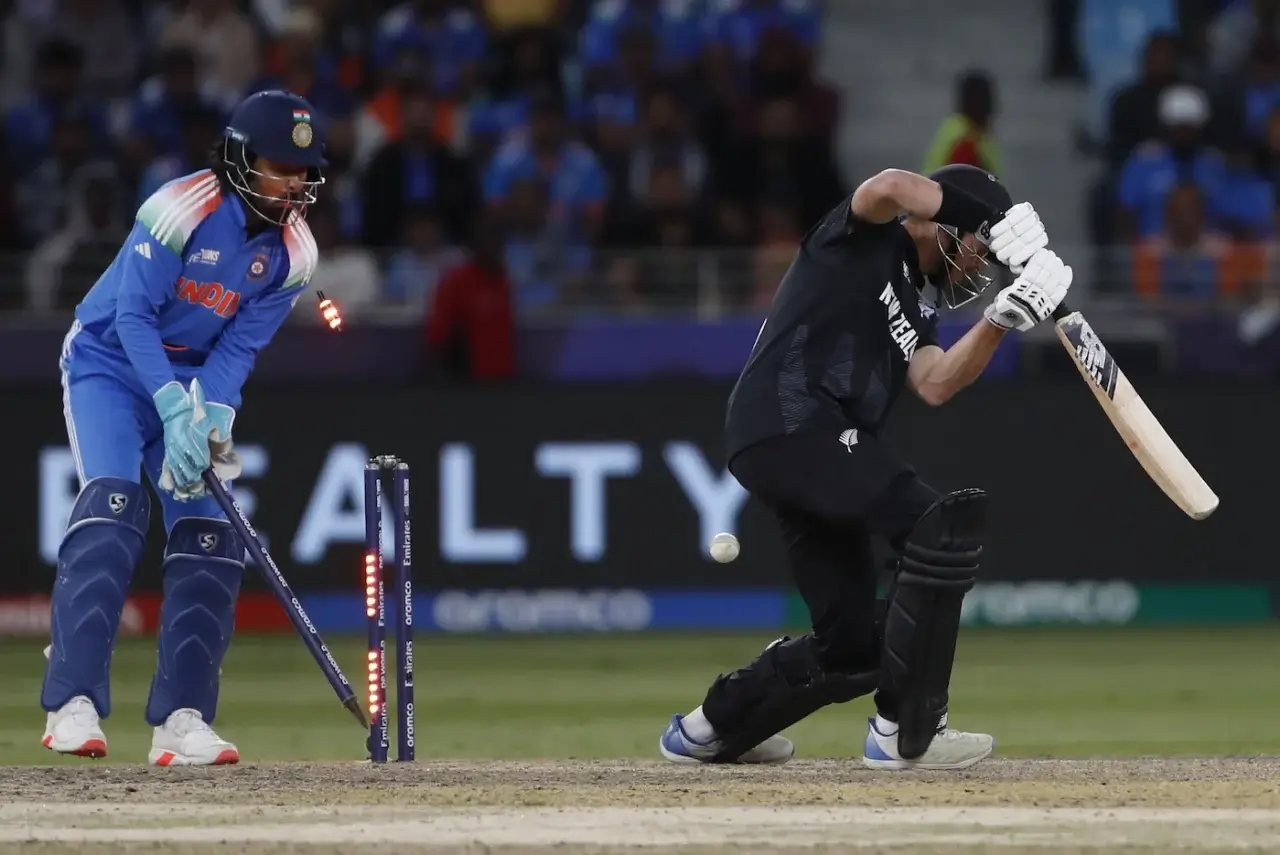
The second innings of a New Zealand vs. India match generally decides who wins. The scorecard reveals which bowlers were able to handle pressure and make important breakthroughs.
The economy rate and the number of wickets taken in the last few overs are two of the most crucial performance measures.
Scorecard Shows How Fielding Affects the Game
Traditional scorecards don’t have a lot of fielding stats, but dismissals like catches, run-outs, and stumpings tell a big tale. A direct hit or a sharp catch can disrupt the flow of the game.
The scorecard shows which fielder was responsible for each out, which gives us an idea of how well the team worked together and how aware they were on the field.
Insights on Strategy and Captaincy
The scorecard for the match also shows what decisions the captain made. You can see changes in the bowling, the order of the batsmen, and the deployment of all-rounders through the sequence of overs and wickets.
For instance, bringing in a spinner early may lead to quick wickets, which you can see on the scoreboard. In the same way, moving a batter up the order is typically a sign of an attacking plan.
Key Players in the Game
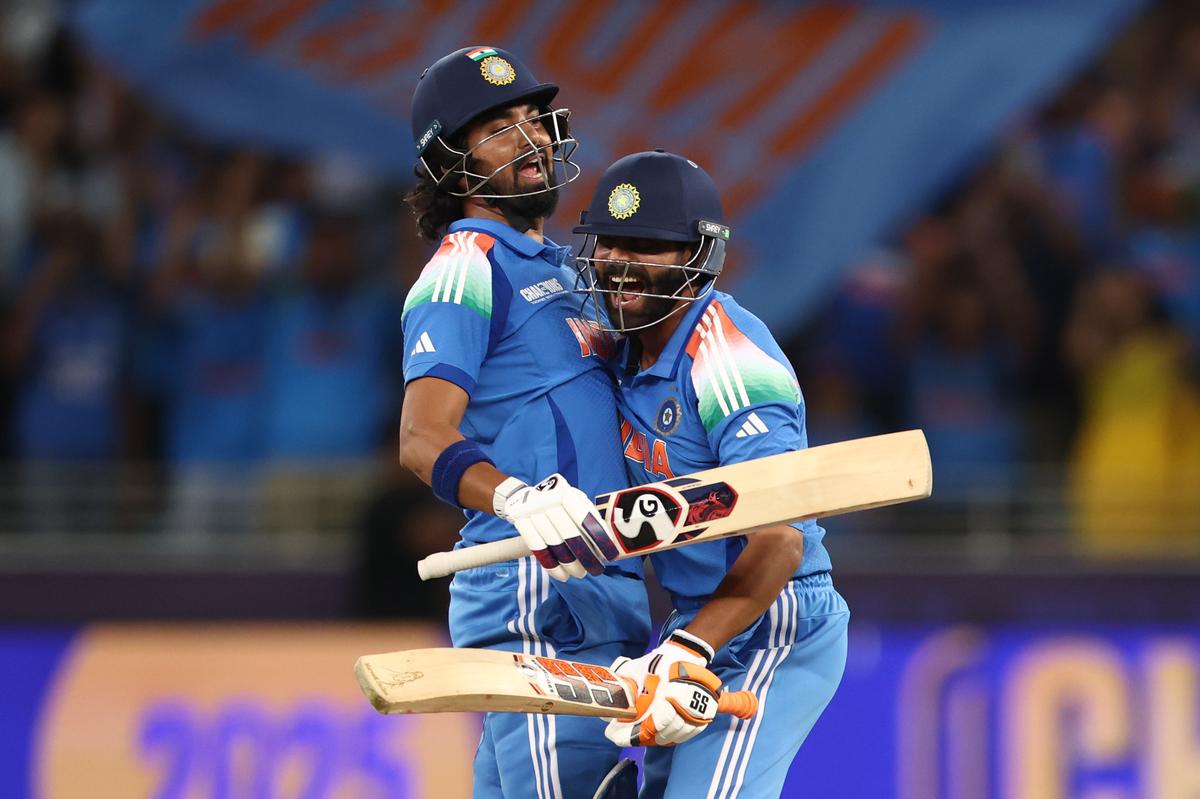
Every scorecard for a match between the New Zealand national cricket team and the Indian national cricket team shows the best players. These could be a hitter who holds the innings together, a bowler who breaks up partnerships, or an all-rounder who helps in many areas.
Most of the time, the player of the match is chosen based on these efforts, which are all written down on the scorecard.
Comparing how well each team did
You can easily see why one team won and the other lost by looking at their scorecards. Things like the run rate, keeping wickets, and the bowling economy frequently make the difference.
Team Comparison
| Team | Runs | Wickets Lost | Run Rate |
|---|---|---|---|
| India | 278 | 7 | 5.56 |
| New Zealand | 265 | 9 | 5.30 |
This comparison shows how little differences may make a big difference in international contests.
How important the match conditions are
The scorecard for the match is heavily influenced by the weather and how the pitch behaves. Fast bowlers may do better on a green pitch, while spinners may do better on a dry surface. The scorecard shows these conditions by showing how hard it is to bat or how well you bowl.
Readers can better understand the data if they know this background.
What Partnerships Do
Partnerships are what make innings work. The scorecard shows these partnerships and how pairs of batters built the innings or steadied things after losing early wickets.
Strong relationships are often linked to winning totals or successful chases.
What we learned from the match scorecard
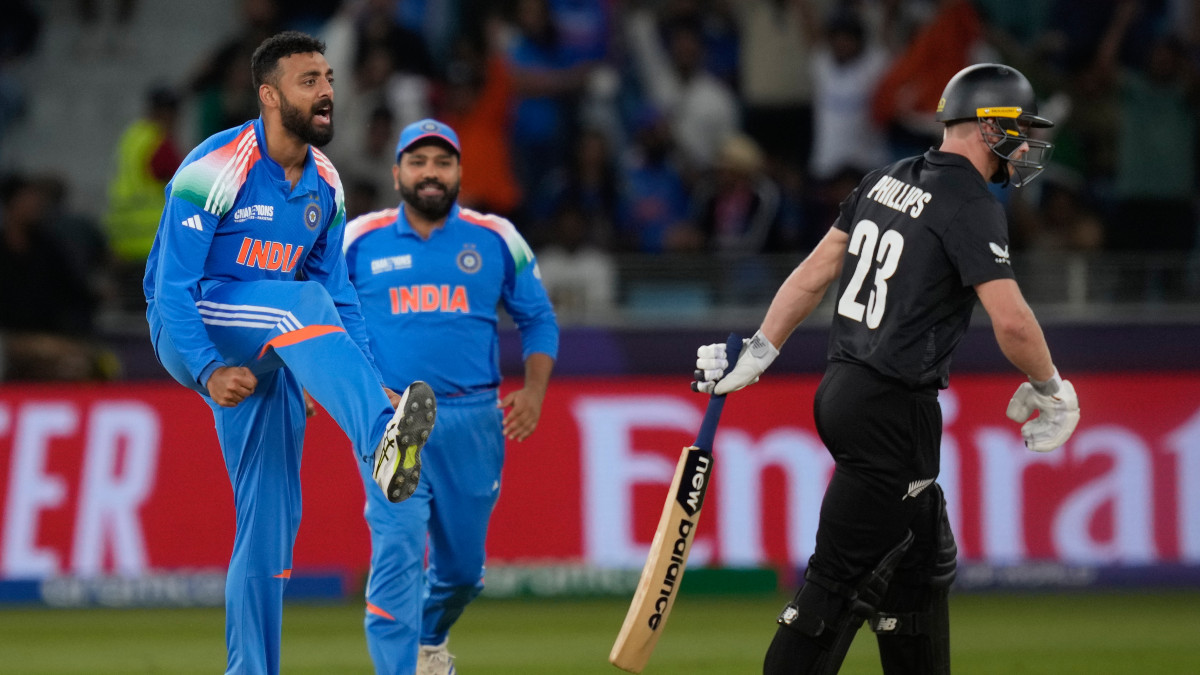)
There are a lot of things to learn by looking closely at the scorecard for the New Zealand vs. India match. It teaches you how to be patient, flexible, and cooperate with others. It also shows how rapidly the tide may turn in international cricket.
Studying these kinds of scorecards helps young cricketers and fans comprehend what’s going on in a match and how to make decisions.
Interpreting by Format
Depending on the format of the match, the meaning of a scorecard changes. In Test matches, the most important things are how much time a player spends at the crease and how many balls they bowl. In one-day matches, it’s important to be balanced and consistent. Strike rates and death-over bowling are the most important things to look at in T20 contests.
No matter what format the New Zealand national cricket team vs. India national cricket team match was played in, the scorecard is a full description of the game.
The Historical Importance of Scorecards
Scorecards from games between India and New Zealand have become a part of cricket history over the years. They keep track of record-breaking performances, big losses, and noteworthy wins.
Every scorecard adds to the continuing rivalry.
Conclusion
The scorecard for the New Zealand national cricket team vs. India national cricket team match is more than just a list of numbers. It tells the whole story of the game, including all the crucial plays and moments. Readers can learn more about how the match went and why the result was the way it was by looking at the scorecard’s structure and details.
This in-depth and helpful commentary is meant to make the scorecard easy to read and useful for all cricket fans. Studying these scorecards can help you understand and enjoy the game more, whether you’re a casual fan or a die-hard enthusiast. The competition between these two great cricketing nations is very strong.