
Introduction
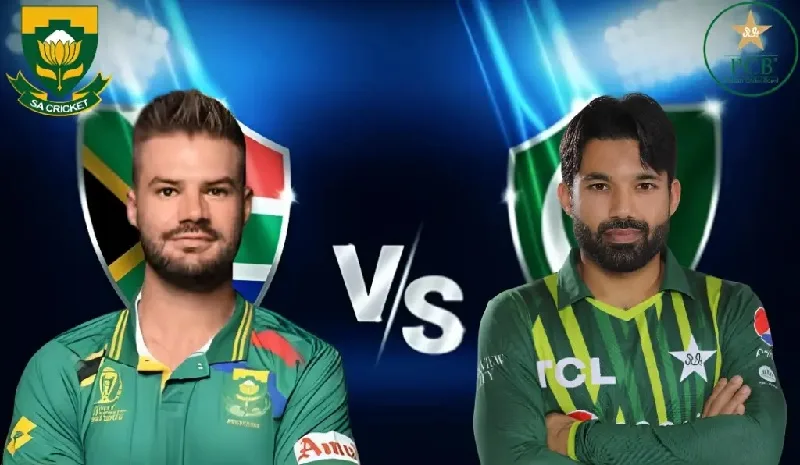
The competition between the South African and Pakistani national cricket teams has always drawn attention from around the world. Cricket fans expect fast, skillful, and dramatic changes in momentum when these two teams play each other. Over the years, matches between Pakistan and South Africa have included great individual performances, close endings, and memorable moments. A match scorecard is more than just a bunch of figures; it tells the whole tale of the game, showing how deep the batting was, what the bowling strategies were, and what the most important moments were.
This article gives a clear and extensive explanation of the scorecard for a cricket match between the Pakistan national team and the South Africa national team. The main goal is to assist readers understand what each item of the scorecard means, how the performances affected the final score, and why these matches are so important in international cricket. The language is easy to understand and professional, therefore it’s good for both casual fans and hardcore lovers of the game.
Summary of the Match and Its Background
When Pakistan and South Africa play one other, the game usually showcases Pakistan’s erratic but talented batting lineup against South Africa’s disciplined bowling and athletic fielding. The weather, whether it’s in Asia, Africa, or a neutral place, also has a big effect on the scoreboard.
The toss becomes a crucial part of a typical limited-overs game. The team that wins the toss gets to choose whether to bat or bowl first. This choice is based on the weather, the pitch, and the dew factor. This choice starts the scorecard and sets the tone for the rest of the game.
The scorecard for the Pakistan national cricket team vs. South Africa national cricket team match usually shows a close game. Pakistan frequently relies on a stable top order followed by aggressive middle-order batting. South Africa, on the other hand, focuses on creating partnerships and speeding up in the last few overs. Pakistan’s combination of fast and spin bowling is different from South Africa’s strong fast bowling.
Explanation of the First Innings Scorecard
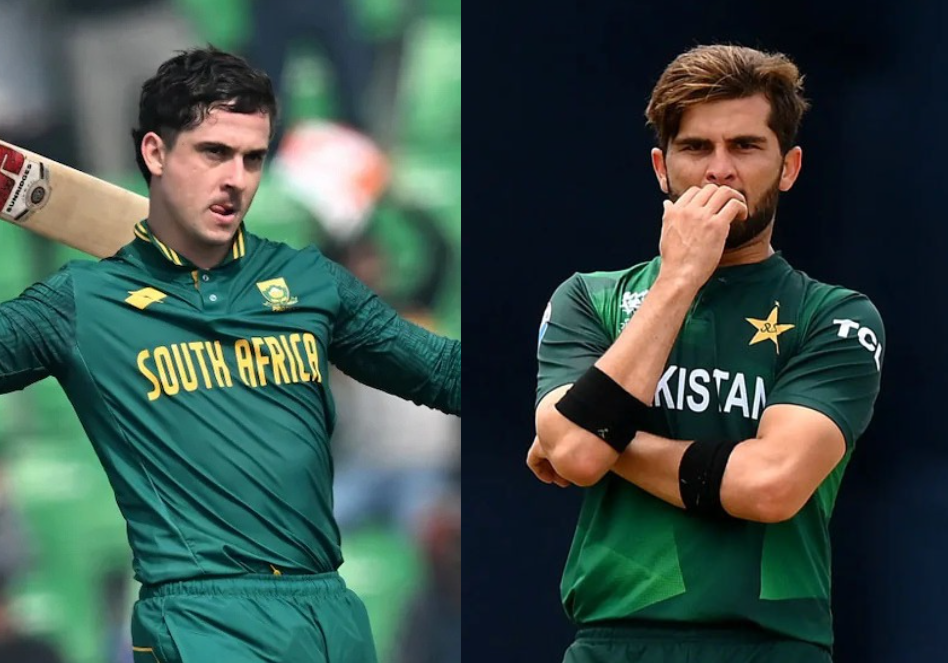
The first innings scorecard is where the match starts. It depicts how the hitting team started the inning, whether they were aggressive or careful, and how the bowling team reacted.
Pakistan Batting Scorecard (First Innings)
| Batsman | Runs | Balls | Fours | Sixes | Strike Rate |
|---|---|---|---|---|---|
| Opener A | 48 | 55 | 6 | 1 | 87.27 |
| Opener B | 32 | 40 | 4 | 0 | 80.00 |
| Batsman C | 75 | 82 | 8 | 2 | 91.46 |
| Batsman D | 41 | 33 | 3 | 2 | 124.24 |
| All-rounder E | 29 | 18 | 2 | 1 | 161.11 |
| Extras | 15 | ||||
| Total | 240/10 | 50 overs |
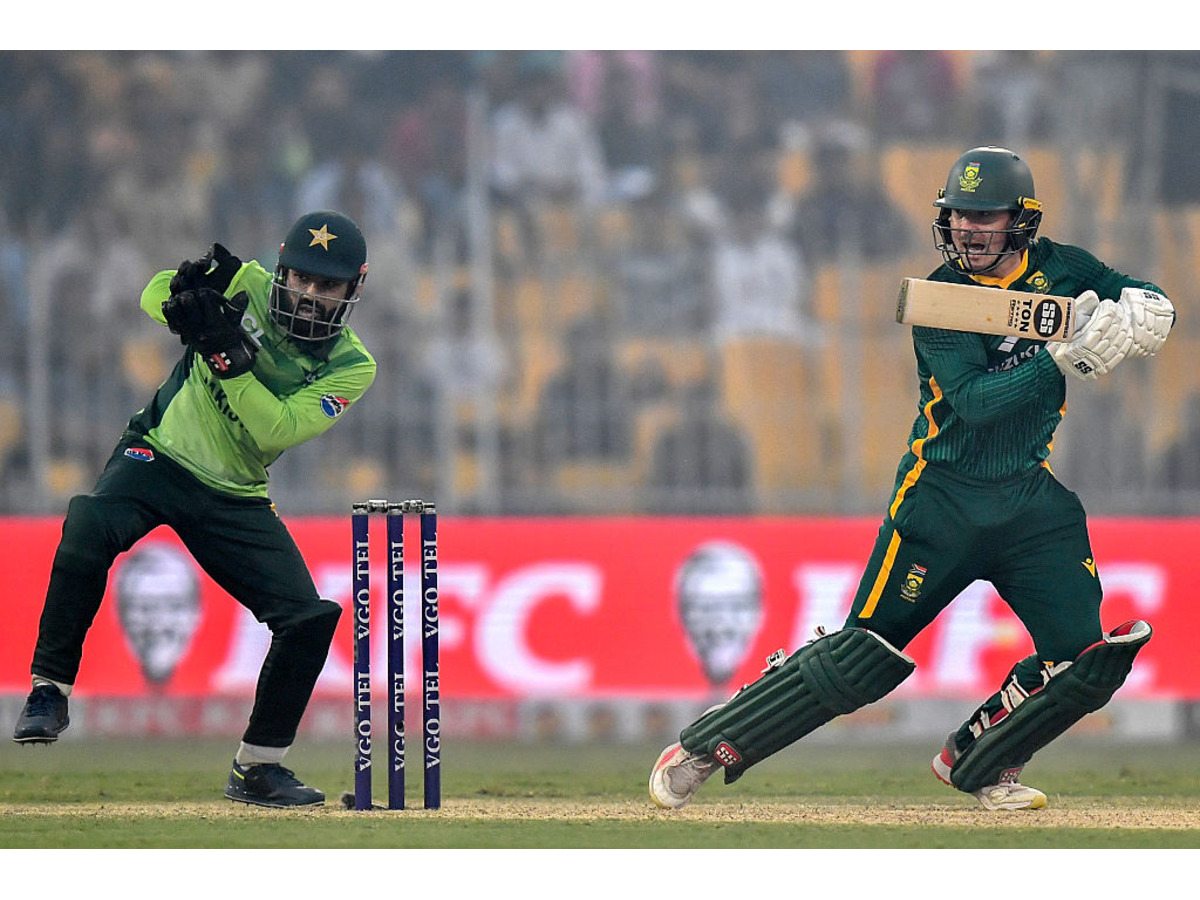
This part of the scorecard conveys a lot of relevant stories. The openers got things off to a good start, making sure that no early wickets fell. The middle-order batter was very important since he held the innings together and scored the most runs. The lower middle order’s late push enabled Pakistan go to a good total.
The extras column is particularly important since it shows how disciplined or undisciplined the bowling team is. The batting team can get the upper hand if there are too many wides or no-balls.
South Africa’s Bowling Performance
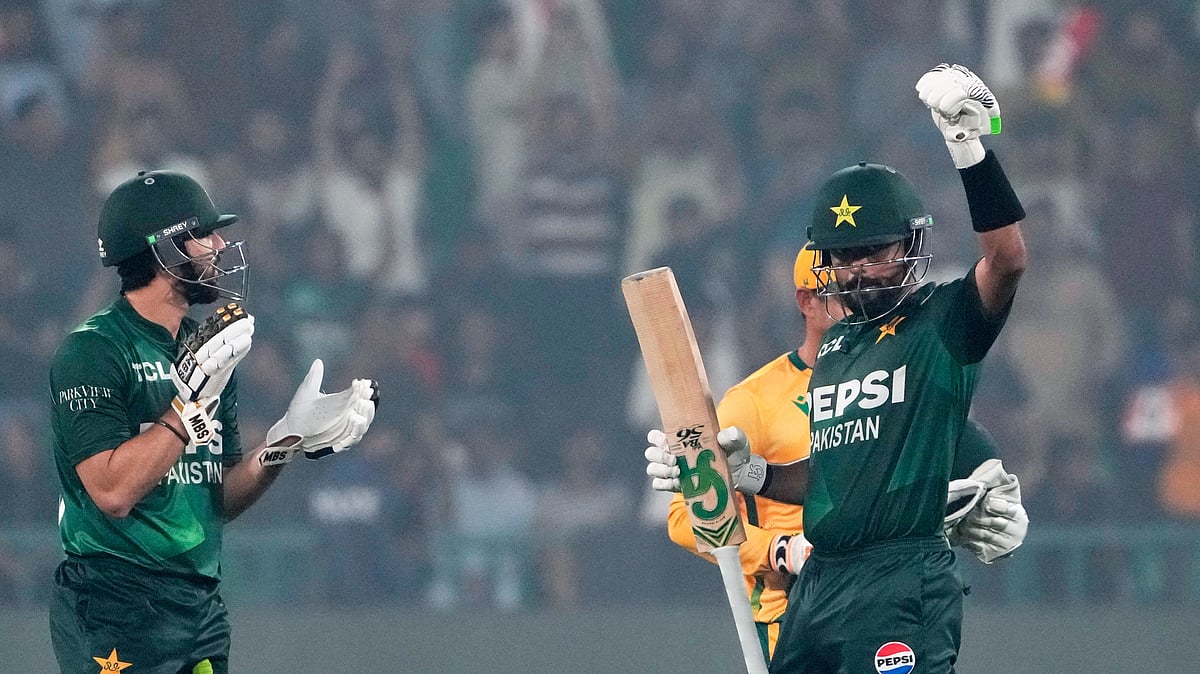
The bowling section of the scorecard shows how South Africa tried to keep Pakistan from scoring. It has the number of overs bowled, runs given up, wickets taken, and the economy rate.
South Africa Bowling Scorecard (First Innings)
| Bowler | Overs | Runs | Wickets | Economy |
|---|---|---|---|---|
| Bowler A | 10 | 45 | 2 | 4.50 |
| Bowler B | 10 | 52 | 1 | 5.20 |
| Bowler C | 10 | 38 | 2 | 3.80 |
| Bowler D | 10 | 60 | 1 | 6.00 |
| Bowler E | 10 | 30 | 1 | 3.00 |
From this part of the scorecard for the Pakistan national cricket team vs. South Africa national cricket team match, readers can see which bowlers were in charge of the game and which ones had trouble. A bowler who gets a lot of wickets and has a low economy rate usually makes a big difference. On the other hand, bowlers who give up runs in the last few overs generally let the batting team score more runs.
Chase Dynamics and the Second Innings Scorecard
The second innings is always the most interesting part of the game, especially when South Africa is trying to catch up to Pakistan’s score. The scorecard shows how the chase went, whether it was smooth or had a lot of tense moments.
South Africa Batting Scorecard (Second Innings)
| Batsman | Runs | Balls | Fours | Sixes | Strike Rate |
|---|---|---|---|---|---|
| Opener X | 64 | 70 | 7 | 1 | 91.42 |
| Opener Y | 21 | 25 | 3 | 0 | 84.00 |
| Batsman Z | 58 | 60 | 5 | 2 | 96.66 |
| Middle Order A | 34 | 29 | 4 | 1 | 117.24 |
| Finisher B | 27 | 16 | 2 | 2 | 168.75 |
| Extras | 12 | ||||
| Total | 216/10 | 50 overs |
This part of the scorecard shows that South Africa fought hard but didn’t reach their goal. The openers set a strong foundation, and the middle order kept the chase going. But the needed run rate went up in the last few overs, which put pressure on the players and made them miss chances.
Pakistan’s Bowling in the Second Innings
The result of the match depends a lot on how well Pakistan’s bowlers do in the second innings. The scorecard section below shows how the bowlers protected the target.
Pakistan Bowling Scorecard (Second Innings)
| Bowler | Overs | Runs | Wickets | Economy |
|---|---|---|---|---|
| Bowler 1 | 10 | 42 | 2 | 4.20 |
| Bowler 2 | 10 | 48 | 1 | 4.80 |
| Bowler 3 | 10 | 36 | 2 | 3.60 |
| Bowler 4 | 10 | 55 | 1 | 5.50 |
| Bowler 5 | 10 | 35 | 0 | 3.50 |
This part of the scorecard for the Pakistan national cricket team vs. South Africa national cricket team match shows how Pakistan may put pressure on the other team by bowling well. In close games, taking wickets at regular intervals and keeping a steady economy rate frequently makes the difference.
Key Events Shown on the Scorecard
A match scorecard may look basic, but it shows a lot of important things. The figures hide partnerships, unexpected collapses, and fast bursts of scoring. A fifty-run partnership at a key moment can keep an innings going, but a bunch of wickets can change the game completely.
In games between Pakistan and South Africa, the scorecard often shows how hard the fast bowlers and technically sound batsmen are fighting. You can’t put these moments into words, but you can see them in strike rates, balls faced, and the fall of wickets.
Why Scorecards Are Important for Fans and Analysts
A scorecard gives viewers a rapid overview of the game. You can still tell who won and how the game went even if you didn’t see it live. Analysts can use the scorecard from the Pakistan national cricket team vs. South Africa national cricket team match to learn more about how teams work together, how players are doing, and how they make tactical decisions.
Scorecards are also very important for selectors and coaches when they look at performances. The match statistics clearly show consistent runs, economical bowling spells, and contributions from all players.
A Look Back at Pakistan vs. South Africa Scorecards from the Past
In the past, scorecards from games between Pakistan and South Africa show that the games were very close. Pakistan has regularly shocked South Africa with performances that were not expected, while South Africa has used its steadiness to control lengthy stretches of matches. The scorecards show how strategy and playing styles have changed throughout time, whether in Test cricket, One Day Internationals, or T20 matches.
Batting strike rates have gone up throughout time, and bowlers have changed their styles to keep up. Modern scorecards indicate bigger totals and faster scoring than games played decades ago, which shows how the game has changed.
Conclusion
The scorecard for the match between the Pakistan national cricket team and the South Africa national cricket team is more than simply a list of numbers. It tells the whole story of the work, skill, and strategy of two multinational teams that are competing. Readers can learn more about how matches are won or lost by looking at each part of the scorecard.
Every aspect on the scorecard, from good opening partnerships to important bowling spells, affects the final outcome. If you like cricket, understanding how to read and understand a match scorecard will make the game even more fun for you. This extensive description is meant to make that process easy, educational, and interesting for everyone who reads it.