
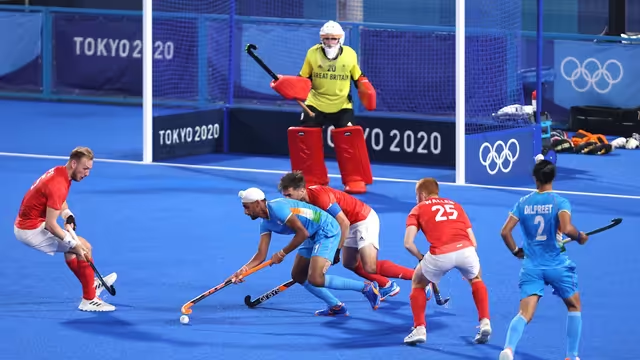
Olympic hockey has long been one of the most exciting and competitive sports featured at the Summer Olympic Games. With a rich history spanning more than a century, the tournament has produced unforgettable moments, legendary players, and fierce international rivalries. Nations from around the world compete for Olympic glory, showcasing exceptional teamwork, skill, speed, and tactical brilliance. The sport attracts millions of viewers every Olympic cycle and continues to evolve with modern rules and advanced playing techniques. From traditional powerhouses such as India, the Netherlands, Australia, Germany, and Pakistan to emerging nations challenging for medals, every edition of the Olympics brings fresh excitement. The combination of athletic ability and strategic gameplay makes hockey one of the most entertaining Olympic sports. Whether you are a lifelong fan or someone new to the game, understanding the history, format, and achievements of olympic hockey offers a deeper appreciation of this globally celebrated competition.
History of Olympic Hockey
Field hockey made its Olympic debut in 1908 during the London Games for men’s competition. Although it was briefly removed from the Olympic program, it returned in 1928 and has remained a permanent event ever since. Women’s hockey was introduced much later, making its Olympic debut in 1980, marking an important milestone for gender equality in international sports. Throughout its history, the Olympic tournament has reflected the changing balance of global hockey. India dominated the early decades with remarkable success, winning multiple gold medals through exceptional stick skills and attacking play. Later, European countries such as the Netherlands and Germany, along with Australia, established themselves among the strongest teams in the world. Advances in sports science, fitness, and artificial turf transformed the game into a faster and more physically demanding contest. Today, olympic hockey represents the highest level of international field hockey, where every participating nation dreams of earning an Olympic medal.
How Olympic Hockey Is Played
Olympic hockey follows the internationally accepted rules of field hockey established for elite competition. Each team consists of eleven players on the field, including one goalkeeper. The game is played over four quarters of fifteen minutes each, encouraging fast-paced action and tactical adjustments throughout the match. Players score by striking the ball into the opponent’s goal from within the shooting circle. Teams rely on passing, ball control, positioning, and quick decision-making to create scoring opportunities while maintaining strong defensive structures.
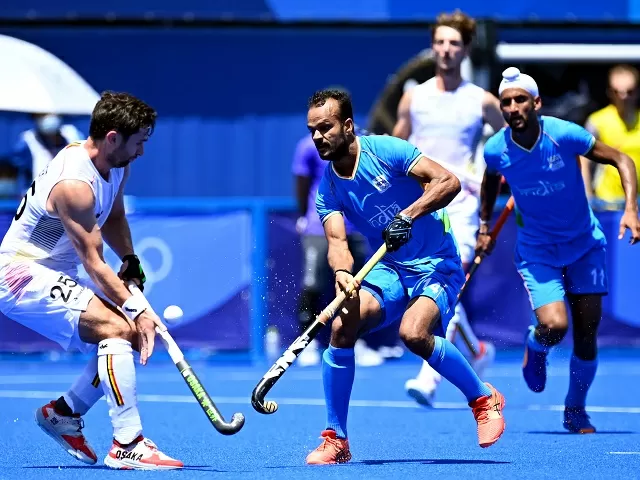
Important features of the game include:
- Four quarters of 15 minutes each
- Eleven players per team
- Matches played on synthetic turf
- Penalty corners provide key scoring chances
- Video referrals help officials make accurate decisions
- Shootouts determine winners in knockout matches ending in a draw
These modern rules have made olympic hockey faster, more entertaining, and fairer for both players and spectators around the world.
Olympic Hockey Tournament Format
The Olympic hockey tournament features the world’s highest-ranked national teams qualifying through continental championships and international qualification events. The competition begins with a group stage in which teams compete against every other nation in their group. Points are awarded for victories and draws, determining which teams advance to the knockout rounds.
The knockout phase includes quarterfinals, semifinals, the bronze medal match, and the gold medal final. Every knockout game demands peak performance because a single mistake can end a nation’s medal hopes. Coaches often adapt their tactics depending on opponents, balancing aggressive attacks with disciplined defense. Goalkeepers play a particularly vital role, often making match-winning saves during penalty shootouts. Every edition of olympic hockey produces dramatic finishes, emotional celebrations, and unforgettable performances that become part of Olympic history. This structure rewards consistency while ensuring that the world’s best teams earn their opportunity to compete for Olympic medals.
Most Successful Nations in Olympic Hockey
Several countries have built remarkable legacies in Olympic hockey through decades of consistent excellence. India remains one of the sport’s most iconic nations, winning numerous Olympic gold medals and inspiring generations of players. Australia has established itself as a modern powerhouse with outstanding fitness and tactical discipline. The Netherlands consistently produces technically gifted players and remains competitive in both men’s and women’s competitions. Germany is respected for its disciplined defensive style and ability to perform under pressure.
Argentina, Belgium, Great Britain, Pakistan, Spain, and New Zealand have also achieved notable success on the Olympic stage. Belgium’s recent rise demonstrates how investment in youth development and coaching can transform a nation’s fortunes. Every Olympic tournament introduces fresh contenders while preserving the proud traditions that define olympic hockey.
Olympic Hockey Medal Winners Overview
| Country | Notable Achievement | Strength |
|---|---|---|
| India | Multiple Olympic gold medals | Historic dominance |
| Netherlands | Success in men’s and women’s events | Technical excellence |
| Australia | Consistent medal contender | Speed and fitness |
| Germany | Multiple Olympic titles | Tactical discipline |
| Belgium | Recent Olympic champion | Modern attacking style |
| Argentina | Olympic gold and regular medals | Creative gameplay |
This table highlights how different nations have contributed to the rich history of Olympic competition while maintaining unique playing styles.
Legendary Players Who Defined Olympic Hockey
Throughout Olympic history, countless athletes have inspired fans with extraordinary performances. Indian legend Dhyan Chand is widely regarded as one of the greatest hockey players ever, earning worldwide admiration for his exceptional dribbling, vision, and goal-scoring ability. His achievements helped establish India as an early Olympic powerhouse.
In later generations, stars from Australia, the Netherlands, Germany, Argentina, and Belgium have elevated the standard of international hockey through remarkable leadership and technical excellence. Modern players combine speed, endurance, tactical awareness, and advanced stick skills to compete at the highest level. Goalkeepers have also become increasingly influential, often determining medal winners through spectacular saves during shootouts. The legacy of these athletes continues to inspire young players worldwide to pursue excellence and dream of representing their countries in olympic hockey at future Olympic Games.
Why Olympic Hockey Continues to Grow
The popularity of Olympic hockey has expanded significantly thanks to improved broadcasting, youth participation, and international development programs. Many countries now invest heavily in grassroots coaching, sports science, and athlete development, creating stronger national teams across every continent. The competitive balance has improved, making tournaments more unpredictable and exciting.
Several factors contribute to the sport’s continued growth:
- Increasing participation among young athletes
- Improved coaching and player development
- Advanced technology for officiating
- Greater investment in women’s hockey
- Higher international competition standards
- Strong fan engagement during Olympic Games
These developments ensure that olympic hockey remains one of the premier team sports featured at the Olympics, attracting new audiences every four years while maintaining its rich traditions.
Challenges and Future of Olympic Hockey
Despite its global appeal, Olympic hockey faces challenges such as expanding participation into new regions, maintaining competitive balance, and attracting younger audiences in an increasingly crowded sports market. Governing bodies continue introducing innovations to make matches more exciting while preserving the sport’s traditions. Improved digital coverage, youth academies, and international competitions are helping hockey reach wider audiences than ever before.
Women’s hockey has experienced tremendous growth, producing highly competitive tournaments that inspire future generations of athletes. Investments in coaching education, infrastructure, and grassroots programs continue strengthening the sport worldwide. As more nations improve their standards, future Olympic tournaments are expected to become even more competitive. With its unique combination of speed, teamwork, and tactical intelligence, olympic hockey is well positioned to remain one of the Olympic Games’ most respected and entertaining events for decades to come.
Conclusion
Olympic hockey represents far more than a sporting competition. It is a celebration of athletic excellence, teamwork, determination, and international unity. From its historic beginnings to the modern high-speed version played today, the tournament has consistently delivered unforgettable moments and legendary champions. Nations continue investing in player development, ensuring every Olympic edition features world-class competition and inspiring performances. As the sport continues evolving through improved coaching, technology, and global participation, its future appears brighter than ever. Fans can expect thrilling matches, emerging stars, and intense rivalries every Olympic cycle. Whether following historic champions or supporting rising nations, the excitement surrounding olympic hockey remains unmatched. Its enduring legacy, competitive spirit, and worldwide appeal guarantee that it will continue inspiring athletes and captivating audiences for generations to come.