
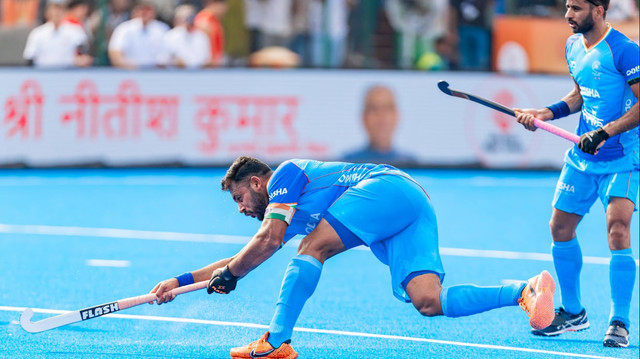
The world of international hockey has witnessed many exciting contests over the years, and India vs Scotland is a fixture that continues to attract attention whenever the two nations meet on the field. While India has traditionally been regarded as one of the giants of world hockey, Scotland has steadily developed its hockey infrastructure and international competitiveness. Matches between these two teams provide an interesting contrast between a historically dominant hockey nation and a developing European side eager to make its mark.
The significance of India vs Scotland extends beyond the final score. These encounters showcase different playing styles, tactical approaches, and levels of experience. For hockey enthusiasts, every meeting offers a chance to observe how traditional hockey powers adapt to the modern game while emerging teams strive to close the gap.
This article explores the history, playing styles, memorable encounters, player contributions, and future prospects of this fascinating hockey rivalry.
Historical Background of India and Scotland in Hockey
India has a rich hockey legacy that dates back more than a century. The country dominated international hockey during the early and mid-twentieth century, winning multiple Olympic gold medals and producing legendary players who became icons of the sport. Hockey remains one of India’s most celebrated sports, supported by a strong grassroots structure and a passionate fan base.
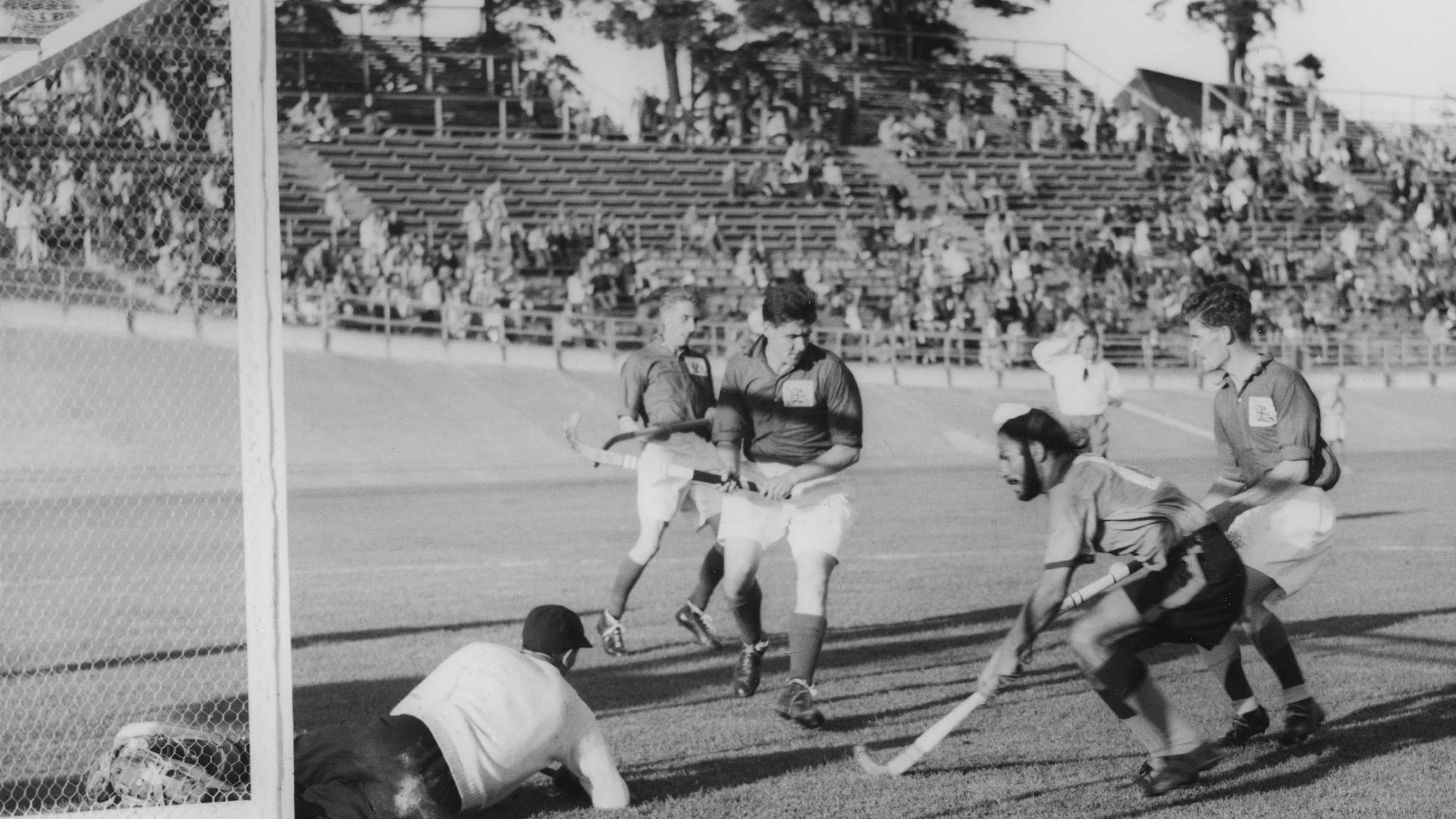
Scotland, meanwhile, has steadily developed its hockey culture through organized domestic competitions and youth development programs. Although Scotland has not achieved the same level of global success as India, the nation has consistently worked to improve its international standing. Scottish hockey emphasizes discipline, teamwork, and structured gameplay.
When examining the history of India vs Scotland, it becomes clear that the teams represent different stages of hockey development. India enters most contests with a wealth of international experience, while Scotland often views these matches as valuable opportunities to test itself against elite opposition.
Why India vs Scotland Matches Are Interesting
At first glance, some may assume that India holds a clear advantage whenever these teams meet. While India often enters as the favorite, the contest remains fascinating because of the contrasting approaches both sides bring to the field.
Several factors make these encounters worth watching:
- India’s attacking flair and technical brilliance.
- Scotland’s disciplined defensive structure.
- Opportunities for emerging players to gain experience.
- Tactical battles between different hockey philosophies.
- The growing competitiveness of international hockey.
These elements ensure that every India vs Scotland encounter carries significance. Scotland aims to challenge a traditional powerhouse, while India seeks to maintain its reputation against ambitious opposition.
Comparison of India and Scotland Hockey Teams
The differences between the two teams can be better understood through a direct comparison.
| Aspect | India | Scotland |
|---|---|---|
| Hockey History | Rich and successful | Developing tradition |
| Olympic Success | Multiple medals | Limited participation |
| Playing Style | Fast and attacking | Structured and disciplined |
| International Ranking Presence | Regular top contender | Emerging competitor |
| Talent Pool | Large player base | Smaller player base |
| Fan Support | Massive following | Growing support |
This comparison highlights why India vs Scotland games often become an intriguing clash of styles rather than merely a contest of rankings.
India’s Strengths in International Hockey
India’s greatest strength lies in its ability to combine speed, creativity, and technical skill. Indian players are known for their exceptional stick work, quick passing combinations, and ability to create scoring opportunities from seemingly impossible situations.
Modern Indian hockey has also embraced fitness and tactical discipline. The national team now combines traditional attacking instincts with advanced defensive organization. This balance has helped India remain competitive against the world’s strongest teams.
Another major advantage is squad depth. The country’s extensive hockey system continuously produces talented players capable of competing at the highest level. As a result, India can maintain strong performances even during periods of transition.
Against Scotland, India often attempts to dominate possession, apply pressure in the attacking third, and capitalize on penalty corners. These strengths frequently influence the outcome of India vs Scotland contests.
Scotland’s Development and Competitive Spirit
Although Scotland does not possess the same historical achievements as India, it has earned respect for its commitment to hockey development. Scottish players are known for their work ethic, tactical awareness, and resilience.
The Scottish hockey system places significant emphasis on player education and team organization. Coaches focus on creating disciplined units capable of competing against technically superior opponents. This approach often allows Scotland to remain competitive even when facing stronger teams.
Scotland also benefits from participation in European competitions, where players regularly face high-quality opposition. These experiences contribute to steady improvement and help prepare the team for major international events.
In many India vs Scotland matches, Scotland’s primary objective is to disrupt India’s rhythm, defend effectively, and capitalize on counterattacking opportunities.
Tactical Battle Between the Two Teams
One of the most fascinating aspects of this rivalry is the tactical contrast. India generally prefers an aggressive style focused on controlling possession and creating chances through rapid movement.
Scottish teams, on the other hand, often prioritize defensive structure and compact positioning. Their strategy typically involves limiting space, forcing errors, and transitioning quickly when possession is won.
Key tactical themes include:
India’s Approach
- High-tempo attacking hockey.
- Quick passing sequences.
- Strong penalty-corner execution.
- Aggressive pressing.
Scotland’s Approach
- Compact defensive shape.
- Organized midfield structure.
- Efficient counterattacks.
- Strong teamwork and communication.
These contrasting strategies create compelling matches where execution often proves more important than reputation.
Memorable India vs Scotland Encounters
Over the years, several matches between India and Scotland have demonstrated the unpredictable nature of international hockey. While India has often emerged victorious, Scotland has produced competitive performances that earned admiration from fans and analysts alike.
Many encounters have featured periods where Scotland successfully frustrated India’s attack before eventually succumbing to sustained pressure. Others have showcased India’s ability to break down disciplined defenses through moments of individual brilliance.
What makes these matches memorable is not merely the result but the lessons they provide. Scotland gains valuable experience against world-class opposition, while India benefits from facing a well-organized team capable of exposing weaknesses.
Each new chapter in the India vs Scotland story contributes to the broader development of international hockey.
Key Players Who Influence the Contest
Star performers often determine the outcome of important hockey matches. India has consistently produced players capable of changing games through skill, speed, and creativity.
Indian forwards typically play a crucial role by creating scoring opportunities and applying relentless pressure on opposing defenses. Midfielders contribute through ball distribution and game control, while defenders ensure stability at the back.
Scotland relies heavily on collective effort but also benefits from standout performers who lead by example. Goalkeepers often become particularly important when facing India’s attacking strength.
Key qualities that influence these matches include:
- Speed and agility.
- Decision-making under pressure.
- Penalty-corner efficiency.
- Defensive organization.
- Leadership and communication.
Individual brilliance combined with effective teamwork often determines success in India vs Scotland encounters.
The Growing Importance of International Hockey
The global hockey landscape has become increasingly competitive. Teams from every continent continue investing in player development, coaching, and infrastructure. This trend benefits rivalries such as India and Scotland by creating more balanced and meaningful contests.
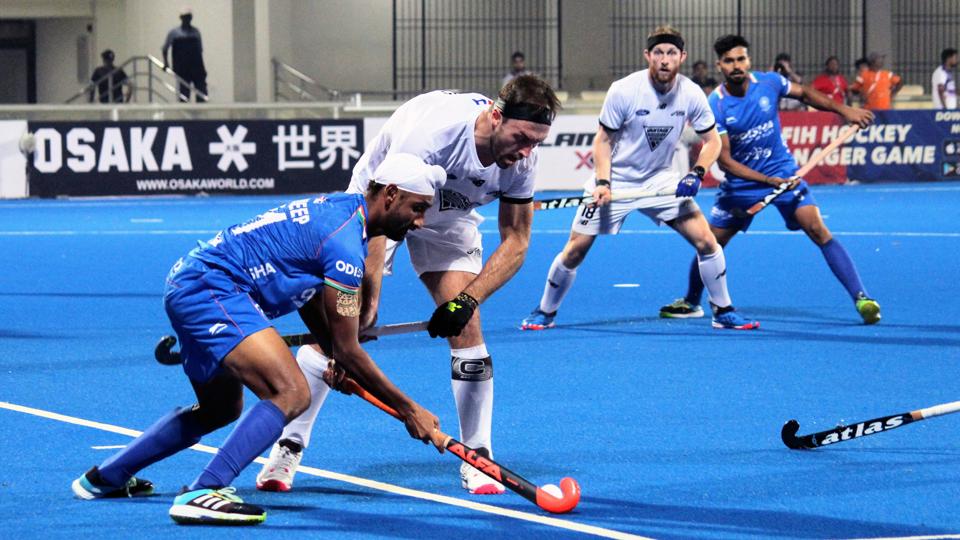
International tournaments now provide smaller hockey nations with greater opportunities to compete against established powers. As a result, the gap between traditional giants and emerging teams continues to narrow.
For Scotland, matches against India serve as valuable benchmarks for measuring progress. For India, these games help maintain competitive standards while preparing for larger tournaments.
The growth of hockey worldwide ensures that future meetings between these nations will remain relevant and exciting.
Future Prospects of the Rivalry
Looking ahead, the future of India vs Scotland appears promising. Both countries continue investing in hockey development, creating opportunities for stronger and more competitive encounters.
India is expected to remain among the leading forces in international hockey due to its extensive talent pool and growing professionalism. Continued investment in youth development and sports science should help maintain its position among the world’s elite teams.
Scotland’s future is equally encouraging. Improved coaching systems, increased participation, and stronger domestic competitions are helping raise standards across the country. As younger players gain international experience, Scotland is likely to become an even more formidable opponent.
Future meetings may become increasingly competitive as Scotland narrows the gap and India continues evolving its game.
Conclusion
The India vs Scotland hockey rivalry represents more than a simple contest between two national teams. It is a meeting of different hockey traditions, contrasting tactical philosophies, and shared ambitions for growth and success.
Read more: Asian Athletics Championships 2025: A Celebration of Excellence in Track and Field