
Introduction
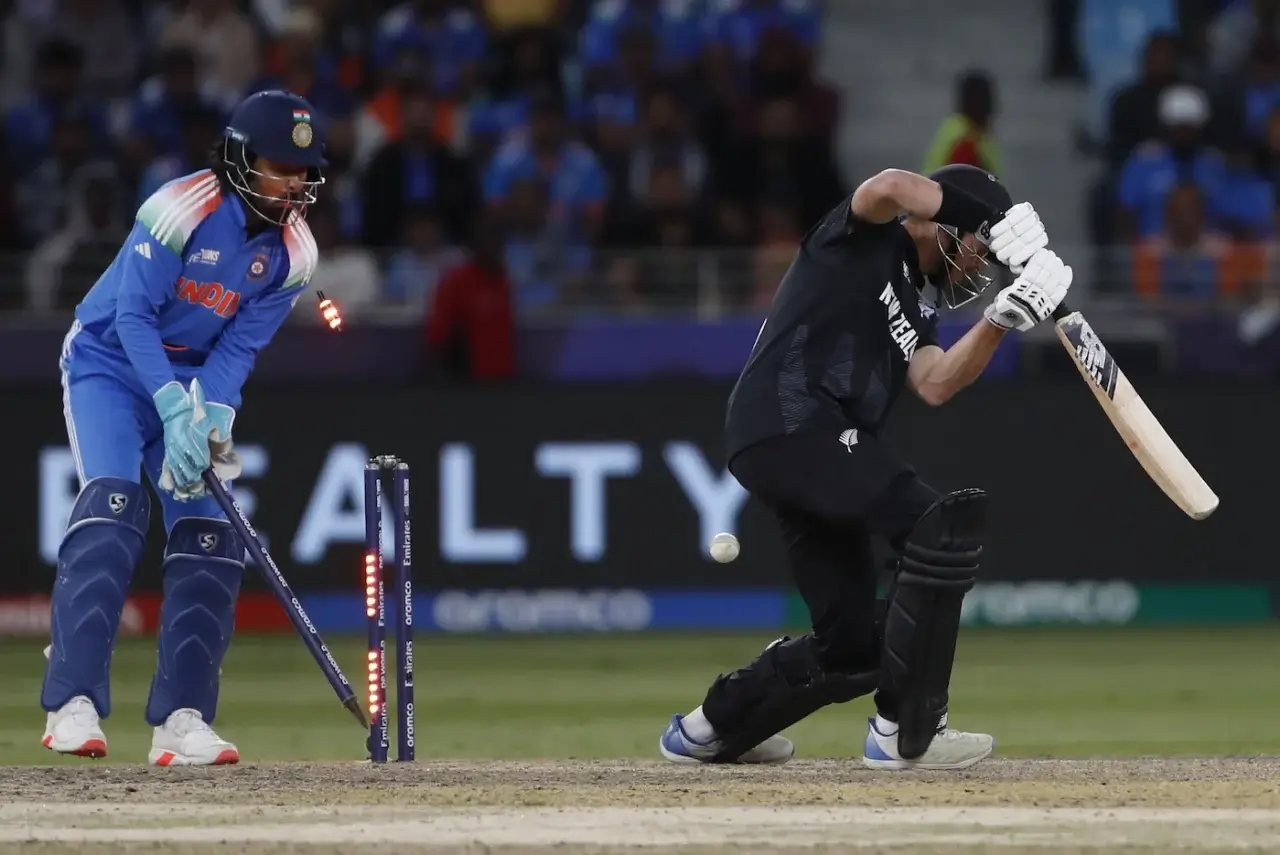
People all over the world look forward to matches between the India National Cricket Team and the New Zealand National Cricket Team. Both sides have a long history in cricket and are noted for being competitive, playing strategically, and being able to put on great shows under pressure. India and New Zealand games frequently have a mix of smart strategies, great technical skills, and thrilling moments that keep fans on the edge of their seats.
This article goes into great detail about a recent India vs. New Zealand match scorecard, pointing out the most important performances, match statistics, and situations that made the game memorable. For cricket fans, knowing how to read a scorecard is very important since it shows how each player and team contributed, how the game flowed, and the strategic choices that changed the course of the match.
Overview of the Match
The game between India and New Zealand was very competitive. Both teams have always done well in international cricket, and this match was another chapter in their long-running rivalry. The game was all about strategy, batting depth, precise bowling, and quick fielding.
India is regarded for having a powerful batting lineup and coming up with new ways to win. New Zealand, on the other hand, is noted for its disciplined bowling and smart field placements. This game promised to be thrilling, and it was in every way.
India’s Performance in the Innings
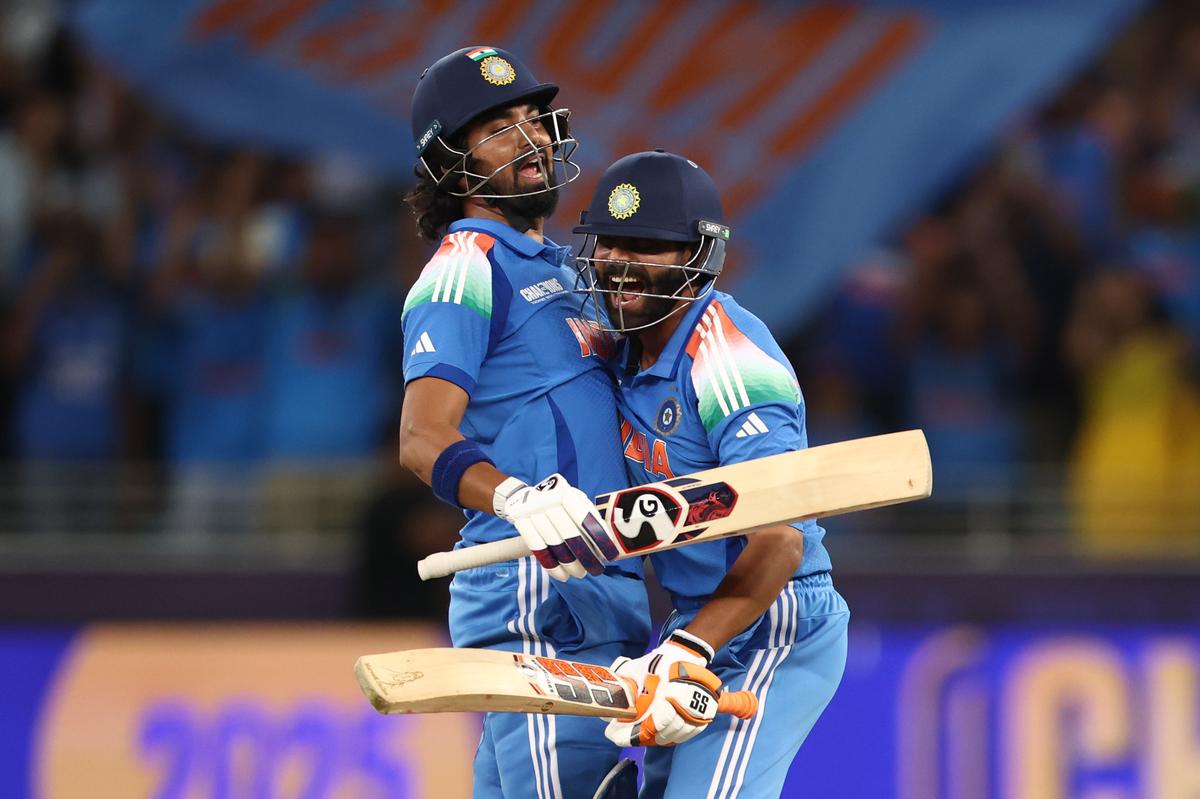
India batted first in this game, hoping to get a big score. The openers tried to set a strong base at the start of the innings. The table below shows the most important batting performances for India:
| Player Name | Runs Scored | Balls Faced | Strike Rate | Fours | Sixes |
|---|---|---|---|---|---|
| Rohit Sharma | 78 | 59 | 132.2 | 10 | 2 |
| Shubman Gill | 45 | 50 | 90.0 | 5 | 0 |
| Virat Kohli | 92 | 68 | 135.3 | 12 | 3 |
| Suryakumar Yadav | 35 | 22 | 159.0 | 4 | 1 |
| Hardik Pandya | 18 | 10 | 180.0 | 2 | 1 |
| Rishabh Pant | 24 | 12 | 200.0 | 3 | 2 |
| Others | 27 | 25 | 108.0 | 2 | 0 |
In the 50 overs they were given, India scored 319 runs and lost 6 wickets. Key partnerships, especially between Rohit Sharma and Virat Kohli, were very important in setting a competitive total.
The New Zealand Innings

New Zealand showed strength and strategy when they chased a target of 320. There were some amazing individual performances during the innings, but the team had a hard time because of the disciplined Indian bowling. Here’s a close look at how New Zealand batted:
| Player Name | Runs Scored | Balls Faced | Strike Rate | Fours | Sixes |
|---|---|---|---|---|---|
| Devon Conway | 81 | 65 | 124.6 | 8 | 1 |
| Tom Latham | 54 | 46 | 117.4 | 6 | 0 |
| Kane Williamson | 104 | 78 | 133.3 | 11 | 2 |
| Daryl Mitchell | 43 | 36 | 119.4 | 5 | 1 |
| James Neesham | 27 | 18 | 150.0 | 2 | 1 |
| Trent Boult | 15 | 9 | 166.6 | 1 | 1 |
| Others | 22 | 20 | 110.0 | 2 | 0 |
New Zealand finished their innings with 315 runs and 8 wickets. It was a close game that showed how skilled and determined both sides were. India’s disciplined bowling in key overs helped them stay ahead, even if some of their players played really well.
Bowling Highlights
In close matches, the performance of the bowlers is often what makes the difference. Both teams had bowlers who made big contributions in this game:
Bowling for India
| Bowler | Overs | Runs Conceded | Wickets |
|---|---|---|---|
| Jasprit Bumrah | 10 | 52 | 4 |
| Mohammed Shami | 10 | 48 | 2 |
| Yuzvendra Chahal | 10 | 55 | 1 |
Bowling for New Zealand
| Bowler | Overs | Runs Conceded | Wickets |
|---|---|---|---|
| Trent Boult | 10 | 64 | 3 |
| Matt Henry | 10 | 58 | 2 |
| Ish Sodhi | 10 | 50 | 1 |
India’s bowlers were especially good in the middle overs, breaking up important partnerships and putting pressure on New Zealand’s batters.
Important Parts of the Game
-
Opening Impact: Rohit Sharma got things off to a good start for India.
-
Captain’s Knock: Virat Kohli’s innings helped make it hard for New Zealand to reach their goal.
-
Bowling in the Middle Overs: Jasprit Bumrah’s disciplined bowling in the middle overs slowed down New Zealand’s score.
-
Chase Tension: Kane Williamson’s century kept New Zealand in the game, making it very competitive.
-
Final Overs: India’s ability to get wickets in the closing overs was what won them the game.
Looking at How Players Did
Every game gives us information about how well players are doing, how well they can adjust, and how well they can carry out their plans. For this game:
-
Rohit Sharma: Showed great timing and control, and when it was needed, he was aggressive to keep the innings going.
-
Virat Kohli: Played a captain’s innings under pressure, showing a great mix of patience and power.
-
Kane Williamson: Showed how much New Zealand depended on him to anchor the innings by showing off his great skill and temperament.
-
Jasprit Bumrah: His accurate yorkers and ability to bowl under pressure made a big difference for India.
These performances show not just the abilities of each player, but also the strategies and planning of the whole team, showing how deep and adaptable both teams are.
Statistical Information
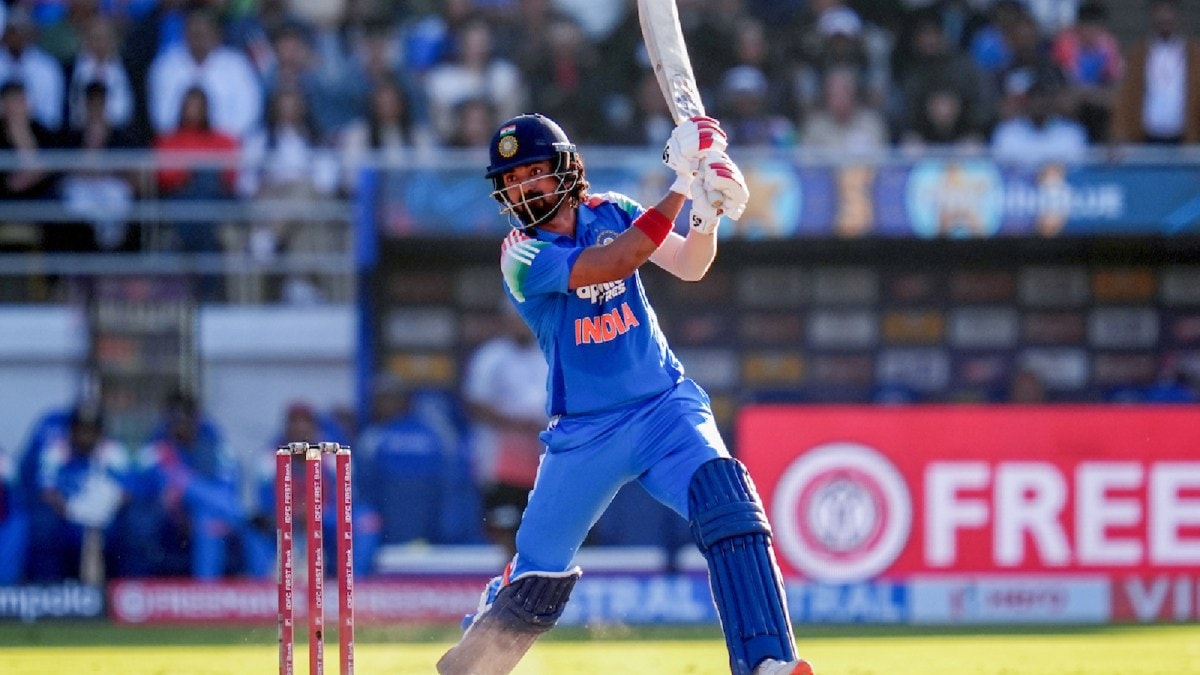
Statistical analysis of the scorecard yields enhanced comprehension:
-
Run Rate: India had a good run rate of 6.38 runs per over, while New Zealand chased at 6.30 runs per over.
-
Boundary Count: Both teams used a lot of boundaries to keep their momentum going. India hit 38 fours and 9 sixes, while New Zealand hit 33 fours and 5 sixes.
-
Wickets in Clusters: Both teams lost wickets in groups, showing how important partnerships are in cricket.
These numbers show how important every over, wicket, and run is in a competitive game.
Strategic Insights
From a strategic point of view, a number of things affected the outcome of the match:
-
Batting Depth: India’s middle order was deep enough that they could speed up at the end of the innings.
-
Bowling Plan: India was able to manage the chase by bowling at New Zealand’s best players.
-
Fielding Standards: Indian fielders made important catches and run-outs, which shows how modern cricket values athleticism.
-
Adaptability: Both sides were able to change their plans based on how the match was going, which is a sign of a good international squad.
Why India vs. New Zealand Matches Are Important
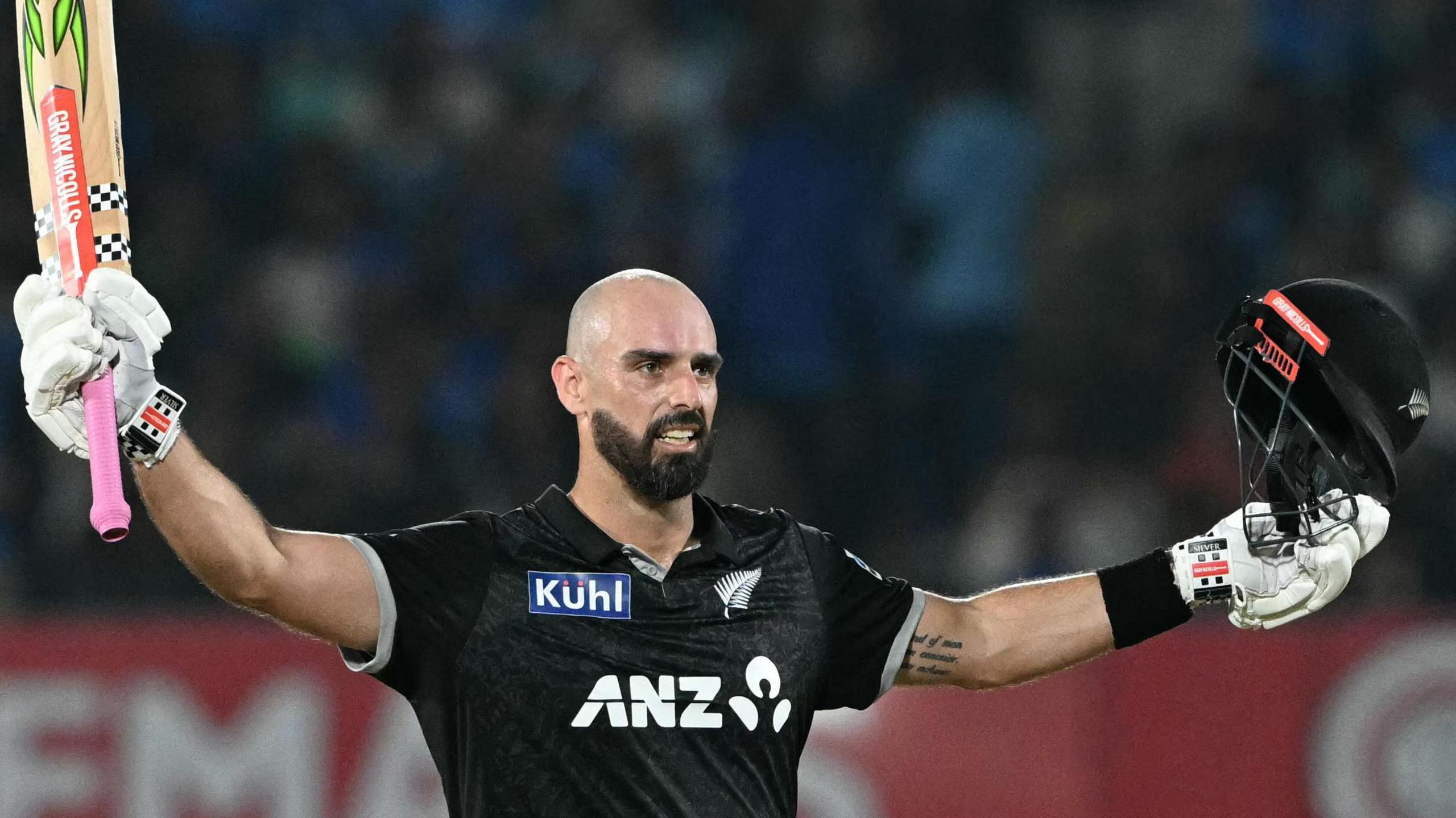
There are many reasons why matches between India and New Zealand are very important:
-
Competitive Rivalry: Both sides are very good at both strategy and technique, which makes the games very tight and fun to watch.
-
Player Development: These kinds of games provide players a chance to show off their skills in tough situations.
-
Cricketing Insights: Watching these games gives you a better understanding of how modern cricket works, how teams work together, and how well players play.
-
Fan Engagement: Exciting games get fans throughout the world more interested in the sport and help it spread to other continents.
Conclusion
The cricket match between India and New Zealand was a great example of skill, strategy, and good sportsmanship. The scorecard shows great individual performances, great strategy, and the competitive spirit that makes international cricket so exciting. India’s disciplined bowling and ability to set a tough total and keep the pressure on were key to their victory in this match.
Kane Williamson and Devon Conway led New Zealand’s comeback, which showed how tough and smart the team is. Even though they lost by a little margin, the performance showed how much New Zealand cricket has improved and grown.
Fans enjoy these kinds of games, but they also teach budding cricketers and analysts important things. The full scorecard is a record of the game that shows what makes cricket so great: teamwork, strategy, and moments of genius that will stay with you forever.
Read More:-New Zealand vs Pakistan Cricket Match Scorecard & Highlights