
Introduction
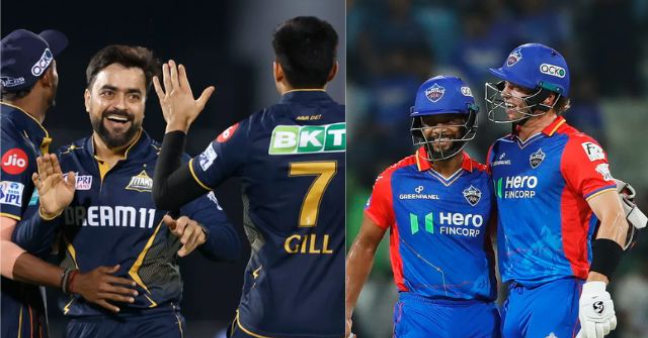
The clashes between Gujarat Titans and Delhi Capitals have evolved into a fascinating tactical contest in the Indian Premier League. While not the oldest rivalry, gt vs dc matches consistently deliver high-quality cricket defined by strategy, adaptability, and individual brilliance.
What makes this matchup compelling is the contrast in team-building philosophies. Gujarat leans toward efficiency and role clarity, while Delhi often experiments with aggressive combinations. This analytical blog dives deep into the numbers, tactical decisions, and match dynamics that shape outcomes in gt vs dc encounters. Rather than surface-level observations, we’ll explore patterns, decision-making frameworks, and how small moments influence the bigger picture.
Team Philosophy and Structural Differences
At the core of gt vs dc, the biggest difference lies in team structure. Gujarat Titans operate with a highly disciplined system built around clearly defined roles. Their success since inception has been driven by balance—strong top-order anchors, flexible finishers, and a bowling attack that adapts to conditions.
Delhi Capitals, on the other hand, have often relied on explosive talent. Players like Rishabh Pant bring unpredictability, which can either dismantle opponents or lead to inconsistency. Their batting-heavy approach sometimes leaves gaps in bowling depth.
In analytical terms, Gujarat’s model prioritizes low variance outcomes, while Delhi’s approach accepts higher risk for potentially higher reward. This philosophical clash is why gt vs dc matches are rarely one-sided—they are battles between control and chaos, structure and spontaneity.
Batting Analysis: Stability vs Aggression
Batting has been a defining factor in gt vs dc games. Gujarat Titans typically build innings through controlled partnerships. Anchors like Shubman Gill ensure stability, allowing power hitters to accelerate later. Their run accumulation strategy minimizes collapses.
Delhi Capitals, however, rely heavily on explosive starts. Their top order aims to dominate the powerplay, often taking risks early. While this can produce match-winning totals, it also increases the probability of early wickets.
Key Batting Insights:
- Gujarat scores consistently between overs 7–15 through rotation and boundary gaps
- Delhi’s strike rate in powerplay overs is significantly higher but less stable
- Gujarat loses fewer wickets in middle overs compared to Delhi
In gt vs dc, the team that adapts its batting tempo based on pitch conditions often gains the upper hand. Gujarat’s adaptability has historically given them a slight edge in pressure situations.
Bowling Strategies: Precision vs Variability
Bowling is where gt vs dc becomes truly intriguing. Gujarat Titans rely on precision and planning. Bowlers like Rashid Khan bring control in the middle overs, choking runs and forcing mistakes. Their death bowling is structured, with clear plans for each batter.
Delhi Capitals employ a more flexible approach. They rotate bowlers frequently, attempting to disrupt rhythm. While this can surprise opponents, it sometimes leads to inconsistency in line and length.
Tactical Comparison:
- Gujarat uses matchups and data-driven bowling changes
- Delhi focuses on instinct-based decisions
- Gujarat excels in defending totals, while Delhi is stronger in chasing scenarios
In multiple gt vs dc encounters, Gujarat’s bowling discipline has often neutralized Delhi’s aggressive batting, especially in high-pressure chases.
Head-to-Head Statistics and Trends
Statistics provide a clearer picture of how gt vs dc has unfolded over time. While Gujarat Titans are relatively new, their impact has been significant.
| Metric | Gujarat Titans | Delhi Capitals |
|---|---|---|
| Matches Played | Moderate | Moderate |
| Wins | Higher ratio | Lower ratio |
| Average Team Score | 165–175 | 160–170 |
| Powerplay Run Rate | 8.2 | 9.1 |
| Middle Overs Economy | 7.5 | 8.3 |
| Death Overs Efficiency | Strong | Inconsistent |
The table highlights a crucial trend: Gujarat performs better in controlling the game phases, while Delhi thrives in bursts of aggression. This contrast defines the outcome of most gt vs dc matches.
Key Players and Match-Winning Impact
Individual brilliance often decides tight contests, and gt vs dc has seen several standout performances. Gujarat Titans rely on consistency from players like Hardik Pandya (during his tenure) and Shubman Gill, who provide stability and leadership.
Delhi Capitals depend heavily on impact players such as Rishabh Pant and dynamic all-rounders. Their ability to turn games single-handedly makes Delhi dangerous, even when the odds are against them.
Match-Winning Factors:
- Gujarat’s all-rounders contribute in both batting and bowling
- Delhi’s explosive players can shift momentum within a few overs
- Fielding standards often play a decisive role in close matches
In gt vs dc, the difference often comes down to execution under pressure rather than just talent.
Tactical Moments That Define Matches
Every gt vs dc match includes key moments that shift momentum. These are not always obvious but are critical from an analytical standpoint.
For Gujarat, success often comes from:
- Slowing down the game during middle overs
- Targeting weaker bowlers in specific phases
- Maintaining composure during chases
For Delhi, winning scenarios usually involve:
- Dominating the powerplay
- Taking early wickets to disrupt Gujarat’s structure
- Maximizing scoring in death overs
The tactical depth in gt vs dc lies in these micro-decisions. A single over—whether it’s a 20-run burst or a tight 5-run spell—can redefine the entire match trajectory.
Psychological Edge and Game Awareness
Beyond numbers, psychology plays a major role in gt vs dc encounters. Gujarat Titans often display calmness under pressure, which reflects in their decision-making. Their players rarely panic, even in tight situations.
Delhi Capitals, while talented, sometimes struggle with consistency in high-pressure games. This is not due to lack of skill but rather fluctuating game awareness. When they maintain composure, they can dominate any opponent.
The psychological battle in gt vs dc is as important as the physical one. Teams that manage pressure better tend to outperform, regardless of initial conditions.
Conclusion
The gt vs dc rivalry is a perfect blend of strategy, skill, and unpredictability. Gujarat Titans bring structure, discipline, and consistency, while Delhi Capitals offer aggression, flair, and explosive potential.
Read More:- RR vs MI: A Thrilling IPL Rivalry That Never Fades