
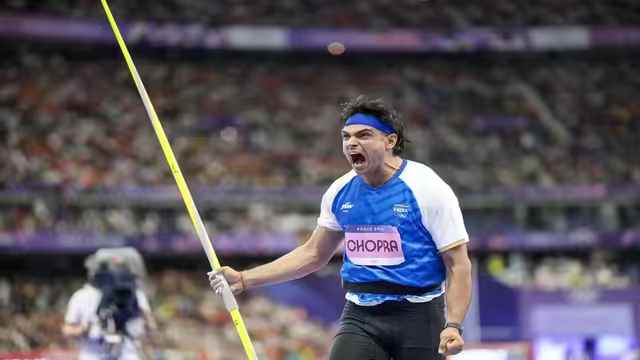
The javelin throw is one of the oldest and most exciting events in track and field athletics. It combines speed, strength, balance, coordination, and technique to achieve maximum throwing distance. Originally used as a hunting weapon and military tool, the javelin has evolved into a competitive sport enjoyed worldwide. Today, athletes spend years mastering their approach, release angle, and body mechanics to improve performance while minimizing the risk of injury. The event is featured in the Olympic Games, World Athletics Championships, and numerous national competitions. Success in this discipline depends not only on physical ability but also on mental focus and consistent practice. Whether you are a beginner learning the fundamentals or a sports enthusiast interested in understanding the event, this guide covers everything you need to know. From its fascinating history to training methods and competition rules, the javelin throw remains one of the most technically demanding and rewarding athletics events.
History of Javelin Throw
The origins of the javelin throw date back thousands of years. Ancient civilizations used spears for hunting animals and defending their territories. The Greeks later introduced spear throwing into athletic competitions, making it part of the ancient Olympic Games. During those early competitions, athletes demonstrated both accuracy and distance.
Modern javelin throwing became an organized athletics event during the late nineteenth century, particularly in Scandinavia. Finland produced several legendary throwers who helped popularize the sport across Europe. The men’s event became part of the modern Olympic Games in 1908, while women joined the Olympic program in 1932.
Over time, improvements in equipment and athlete performance led governing bodies to redesign the javelin. These changes shifted the center of gravity forward, ensuring safer landings and preventing excessively long throws. Today, the event continues to evolve with better coaching techniques, sports science, and athlete conditioning while maintaining its rich historical significance.
Rules and Regulations of Javelin Throw
Every official javelin throw competition follows standardized rules established by international athletics organizations. Athletes must run along a designated runway before throwing the javelin overhand. The throw is considered valid only if the javelin lands tip-first within the marked sector.
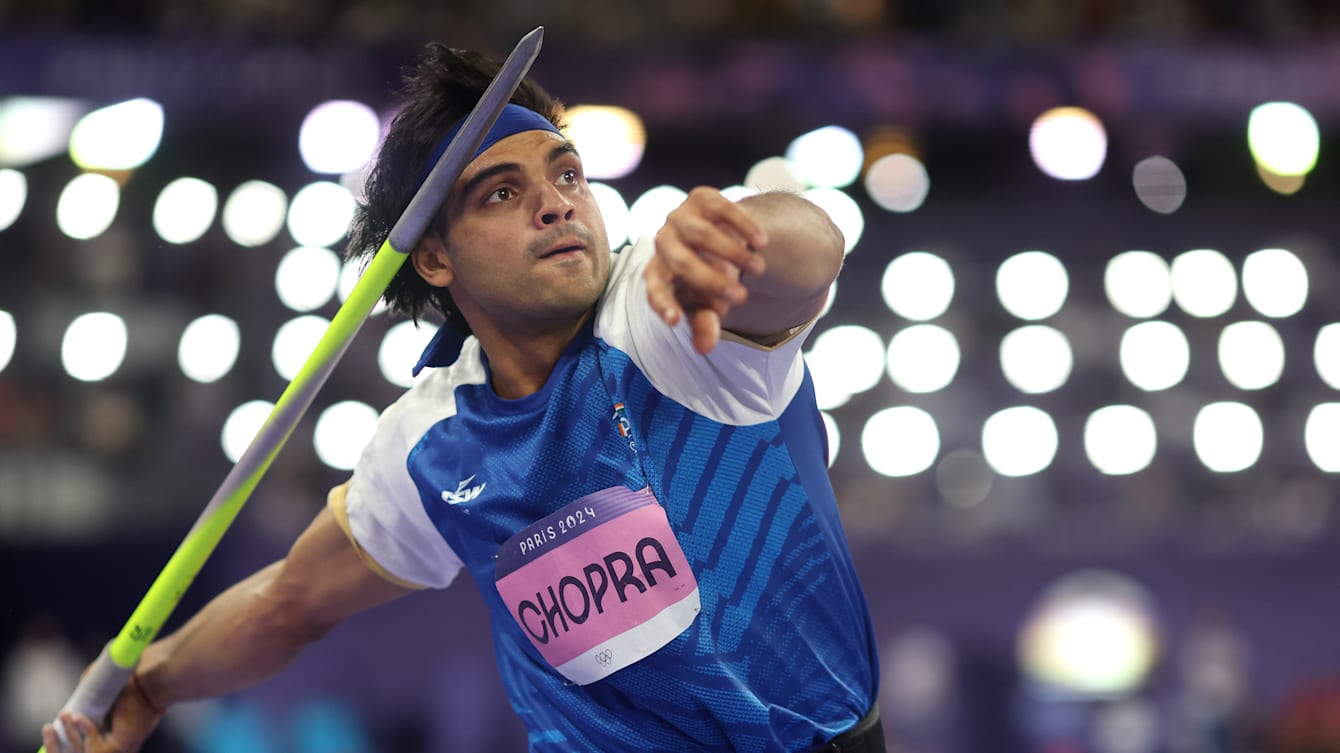
Important competition rules include:
- The throw must be made above the shoulder.
- Athletes cannot step beyond the foul line after releasing the javelin.
- The javelin must land with its metal tip touching the ground first.
- Competitors usually receive multiple attempts, with the longest legal throw determining their ranking.
- Fouls result in no recorded distance.
Officials carefully measure each successful throw from the inside edge of the throwing arc to the first point where the javelin tip contacts the ground. Precision and consistency play a major role in achieving top results during competitions.
Equipment Used in Javelin Throw
The primary piece of equipment is the javelin itself. It consists of a metal head, shaft, and grip positioned near the center. Different specifications exist for men’s and women’s competitions to ensure fairness and safety.
| Equipment | Men’s Standard | Women’s Standard |
|---|---|---|
| Weight | 800 grams | 600 grams |
| Length | 2.6–2.7 meters | 2.2–2.3 meters |
| Material | Metal or composite | Metal or composite |
| Grip Position | Center | Center |
| Purpose | Competitive throwing | Competitive throwing |
Athletes also wear lightweight spikes that provide traction during the run-up. Comfortable athletic clothing allows unrestricted movement while maintaining optimal performance throughout competition.
Basic Techniques for Better Performance
Mastering proper technique is essential for improving distance and maintaining consistency. Throwing harder alone is not enough because timing and body coordination determine success.
Grip
Athletes typically use one of three grips:
- American Grip
- Finnish Grip
- Fork Grip
Each grip offers different advantages depending on hand size and personal preference.
Run-Up
The run-up generates momentum before release. Athletes gradually increase speed while maintaining balance and rhythm.
Withdrawal Phase
The javelin is drawn backward while the athlete continues moving forward. This creates tension throughout the body, preparing for an explosive release.
Cross Steps
Cross steps help position the body for maximum power transfer. Proper foot placement improves stability and throwing efficiency.
Release
The ideal release angle usually ranges between 30 and 36 degrees, depending on weather conditions and athlete technique. Strong hip rotation, shoulder movement, and arm extension contribute significantly to greater throwing distance.
Follow-Through
A balanced follow-through helps prevent injuries and ensures the athlete remains behind the foul line after releasing the javelin.
Training Methods for Javelin Throw Athletes
Successful athletes follow structured training programs that improve both strength and technical skills. Regular practice develops muscle memory while increasing confidence during competitions.
Strength training focuses on:
- Shoulder stability
- Core strength
- Leg power
- Upper-body explosiveness
- Grip strength
Speed training improves acceleration during the approach run, while flexibility exercises enhance mobility in the shoulders, hips, and spine. Plyometric drills increase explosive power, allowing athletes to transfer energy more effectively during release.
Technical sessions often include video analysis, helping coaches identify small mechanical errors that can significantly affect performance. Recovery, nutrition, and adequate sleep are equally important because they support muscle repair and consistent improvement.
Common Mistakes Beginners Should Avoid
Many beginners struggle because they focus only on throwing with maximum force instead of learning proper mechanics. Small technical mistakes often reduce distance and increase injury risk.
Common mistakes include:
- Running too fast before mastering technique
- Incorrect grip placement
- Releasing the javelin at a poor angle
- Leaning backward excessively
- Weak follow-through
- Crossing the foul line
- Ignoring warm-up routines
Developing good habits early allows athletes to progress safely while building confidence. Working with experienced coaches helps correct mistakes before they become permanent.
Benefits of Practicing Javelin Throw
Participating in javelin throw offers numerous physical and mental benefits. It strengthens multiple muscle groups while improving overall athletic ability.
Some key benefits include:
- Increased upper-body strength
- Improved coordination
- Better balance and flexibility
- Enhanced speed and agility
- Stronger core muscles
- Greater concentration
- Improved confidence through competition
Athletes also develop patience and discipline because mastering technique requires consistent practice over many years. The event encourages goal setting and continuous improvement, making it rewarding for athletes of all experience levels.
Famous Javelin Throw Athletes
Several athletes have inspired generations with remarkable performances in international competitions. Legendary competitors from Finland dominated the event during the twentieth century, establishing world records that stood for years.

In recent decades, athletes from countries such as Germany, the Czech Republic, Norway, and India have continued raising performance standards. Improved coaching methods, scientific training, and advanced recovery techniques have enabled modern athletes to achieve exceptional distances.
International championships showcase incredible talent, inspiring young athletes to pursue excellence in the sport. Their dedication demonstrates that success results from years of disciplined training, technical refinement, and mental resilience.
Safety Tips for Javelin Throw Practice
Safety should always remain the highest priority during practice sessions. Since the javelin is a sharp projectile, athletes and coaches must follow strict safety procedures.
Essential safety guidelines include:
- Always throw only when the field is clear.
- Never retrieve javelins until instructed.
- Warm up thoroughly before training.
- Inspect equipment regularly.
- Practice under qualified supervision.
- Maintain awareness of surrounding athletes.
- Store javelins safely after use.
Following these precautions significantly reduces accidents while creating a safe and productive training environment.
The Future of Javelin Throw
Advancements in sports science continue transforming how athletes prepare for competition. Modern coaching incorporates biomechanics, motion analysis, wearable technology, and individualized strength programs to maximize performance.
Artificial intelligence and performance-tracking software now help coaches evaluate throwing mechanics frame by frame. Nutrition planning and recovery strategies have also become increasingly sophisticated, allowing athletes to train more effectively while reducing injury risk.
As athletics gains greater global popularity, more countries are investing in youth development programs and specialized coaching. This growing support is producing a new generation of talented competitors capable of pushing performance standards even higher. The future of the sport looks promising, with innovation enhancing athlete development while preserving the traditional excitement of the javelin throw.
Conclusion
The javelin throw is much more than simply launching a spear across a field. It is a highly technical athletics event that requires speed, strength, flexibility, coordination, and precision. From its ancient origins to its place in modern international competitions, the sport has evolved into one of the most respected disciplines in track and field. Athletes must dedicate countless hours to refining their grip, approach, release, and follow-through while maintaining excellent physical conditioning and mental focus. Whether you are preparing for your first competition, coaching young athletes, or simply learning about athletics, understanding the fundamentals can deepen your appreciation of the event. With proper coaching, consistent training, and attention to safety, anyone can improve their skills over time. As sports science continues to advance, the javelin throw will remain an exciting showcase of athletic excellence, inspiring future generations to aim farther, throw smarter, and achieve remarkable success on the field.