

South Asia is home to some of the world’s most dynamic and rapidly developing nations. Among them, Bangladesh and India share a unique relationship built on history, geography, culture, trade, and people-to-people connections. The discussion around bangladesh vs india often extends beyond sports and enters areas such as economic growth, infrastructure development, population, and regional influence.
Both countries have achieved remarkable progress over the decades. India is one of the world’s largest economies and a global technology hub, while Bangladesh has emerged as one of Asia’s fastest-growing economies with impressive achievements in manufacturing and social development. Understanding the similarities and differences between these neighboring nations provides valuable insight into South Asia’s evolving future.
Historical Background of Bangladesh and India
The historical connection between Bangladesh and India dates back centuries. Both nations were part of the Indian subcontinent and shared cultural, linguistic, and economic ties long before modern borders were established.
Before 1947, present-day Bangladesh was part of British India. Following the partition, the region became East Pakistan. However, political and cultural differences between East and West Pakistan led to increasing tensions. In 1971, Bangladesh gained independence after a liberation struggle that received significant support from India.
This historical event remains a cornerstone of the relationship between the two nations. The story of bangladesh vs india is therefore not one of separation alone but also one of cooperation and shared historical experiences. Today, both countries continue to work together on issues ranging from trade and connectivity to regional security and development.
The historical bonds between the people of both nations continue to influence diplomatic relations and cultural exchanges, making their relationship unique compared to many neighboring countries around the world.
Geographical Comparison
Geography plays a major role in shaping the development and opportunities available to each nation.
| Feature | Bangladesh | India |
|---|---|---|
| Area | Approximately 148,460 sq km | Approximately 3.28 million sq km |
| Capital | Dhaka | New Delhi |
| Coastline | Bay of Bengal | Arabian Sea, Bay of Bengal, Indian Ocean |
| Neighboring Countries | India and Myanmar | Pakistan, China, Nepal, Bhutan, Bangladesh, Myanmar |
| Major Rivers | Padma, Jamuna, Meghna | Ganga, Yamuna, Brahmaputra |
Bangladesh is significantly smaller in size but has one of the highest population densities in the world. India, on the other hand, is geographically diverse, featuring deserts, mountains, forests, plateaus, and extensive coastlines.
The comparison of bangladesh vs india often highlights how geography influences economic activities, disaster management, agriculture, and transportation networks.
Population and Demographics
Population is one of the most significant distinctions between the two countries.
India is the world’s most populous nation, with more than 1.4 billion people. Bangladesh has a population exceeding 170 million, making it one of the most densely populated countries globally.
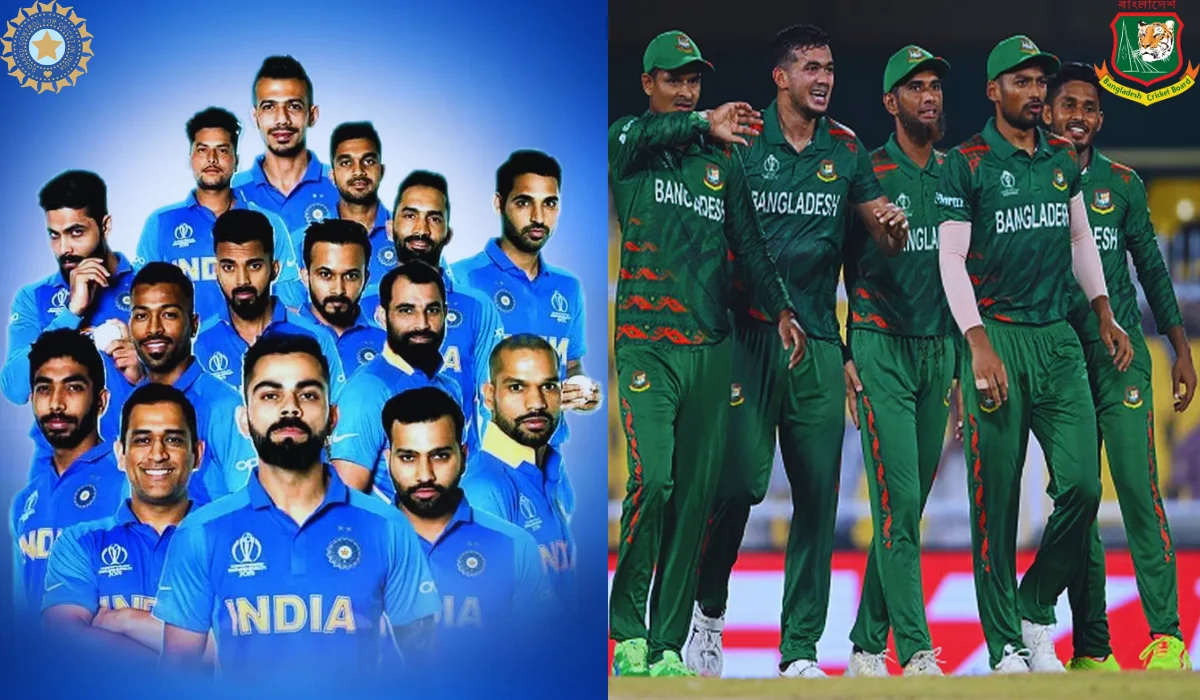
Despite differences in scale, both nations possess young populations that contribute significantly to workforce growth and economic expansion. Urbanization is increasing rapidly in cities such as Dhaka, Chattogram, Mumbai, Bengaluru, Delhi, and Kolkata.
Key demographic characteristics include:
- Large youth populations
- Growing middle-class communities
- Rising literacy rates
- Increasing urban migration
- Expanding digital adoption
In discussions about bangladesh vs india, demographics often emerge as a critical factor because population size directly influences labor markets, consumer demand, and economic potential.
Economic Growth and Development
Economic development has become one of the most discussed aspects when comparing Bangladesh and India.
India possesses one of the world’s largest economies, driven by technology, manufacturing, services, agriculture, and innovation. Major sectors include information technology, pharmaceuticals, finance, telecommunications, and automobile production.
Bangladesh has experienced remarkable economic growth over the last two decades. Its garment industry has become a major global exporter, creating millions of jobs and contributing significantly to national income.
Economic Comparison Table
| Indicator | Bangladesh | India |
|---|---|---|
| Major Industry | Garments | IT, Manufacturing, Services |
| Currency | Bangladeshi Taka | Indian Rupee |
| Key Export | Apparel | IT Services, Pharmaceuticals |
| Growth Drivers | Manufacturing, Exports | Technology, Services, Industry |
| Workforce Strength | Young Labor Force | Large Skilled Workforce |
The debate around bangladesh vs india increasingly focuses on how both countries can leverage their strengths to achieve sustainable long-term growth.
Trade Relations Between the Two Countries
Trade is one of the strongest pillars connecting Bangladesh and India. Over the years, bilateral trade has expanded significantly.
India exports machinery, vehicles, chemicals, agricultural products, and industrial materials to Bangladesh. Bangladesh exports garments, textiles, jute products, and other manufactured goods to India.
Several initiatives have improved trade relations:
- Border infrastructure development
- Rail connectivity projects
- Inland water transport agreements
- Cross-border energy cooperation
- Digital trade facilitation
The economic partnership demonstrates that the concept of bangladesh vs india is not solely about competition but also about mutual growth and regional integration.
Increasing trade cooperation benefits businesses, consumers, and governments in both countries by creating jobs and supporting economic stability.
Educational Progress and Human Development
Education plays a central role in national development.
India has established globally recognized institutions in engineering, medicine, science, and management. Universities and technical institutes attract students from across the world.
Bangladesh has also made notable progress in improving literacy rates, expanding educational access, and promoting gender equality in schools. Investment in primary and secondary education has contributed to social development and workforce readiness.
Areas of Educational Progress
- Increased school enrollment
- Improved literacy rates
- Growth in higher education institutions
- Digital learning initiatives
- Expansion of vocational training
When analyzing bangladesh vs india, education often serves as a key indicator of future competitiveness and innovation capacity.
Cultural Similarities and Differences
Culture represents one of the strongest connections between the two countries.
Both nations share traditions rooted in literature, music, festivals, cuisine, and family values. Bengali culture, in particular, creates a strong cultural bridge between Bangladesh and the Indian state of West Bengal.
Common cultural elements include:
- Traditional music and dance
- Rich literary heritage
- Shared historical influences
- Popular regional cuisines
- Strong family-centered social structures
However, each country has developed its own national identity and cultural expressions over time. India’s diversity encompasses hundreds of languages and cultural traditions, while Bangladesh maintains a strong national identity centered around Bengali language and heritage.
The cultural dimension of bangladesh vs india demonstrates how neighboring nations can remain connected while preserving unique identities.
Infrastructure and Technological Advancement
Infrastructure development has become a major priority for both governments.
India has invested heavily in highways, airports, digital connectivity, metro systems, and smart city projects. The country has also become a global center for software development and digital innovation.
Bangladesh has launched ambitious infrastructure projects, including bridges, highways, ports, and energy facilities. These developments are helping improve transportation efficiency and economic productivity.
Key Infrastructure Areas
| Sector | Bangladesh | India |
|---|---|---|
| Roads | Expanding Network | Extensive National Highways |
| Railways | Modernization Ongoing | Large Railway System |
| Digital Connectivity | Rapid Growth | Global IT Leadership |
| Ports | Strategic Expansion | Major International Ports |
| Energy | Growing Capacity | Diverse Energy Sources |
The infrastructure comparison in bangladesh vs india highlights how both countries are investing heavily in modernization and economic competitiveness.
Cricket Rivalry and Sporting Competition
Cricket remains one of the most visible aspects of the relationship between the two nations.
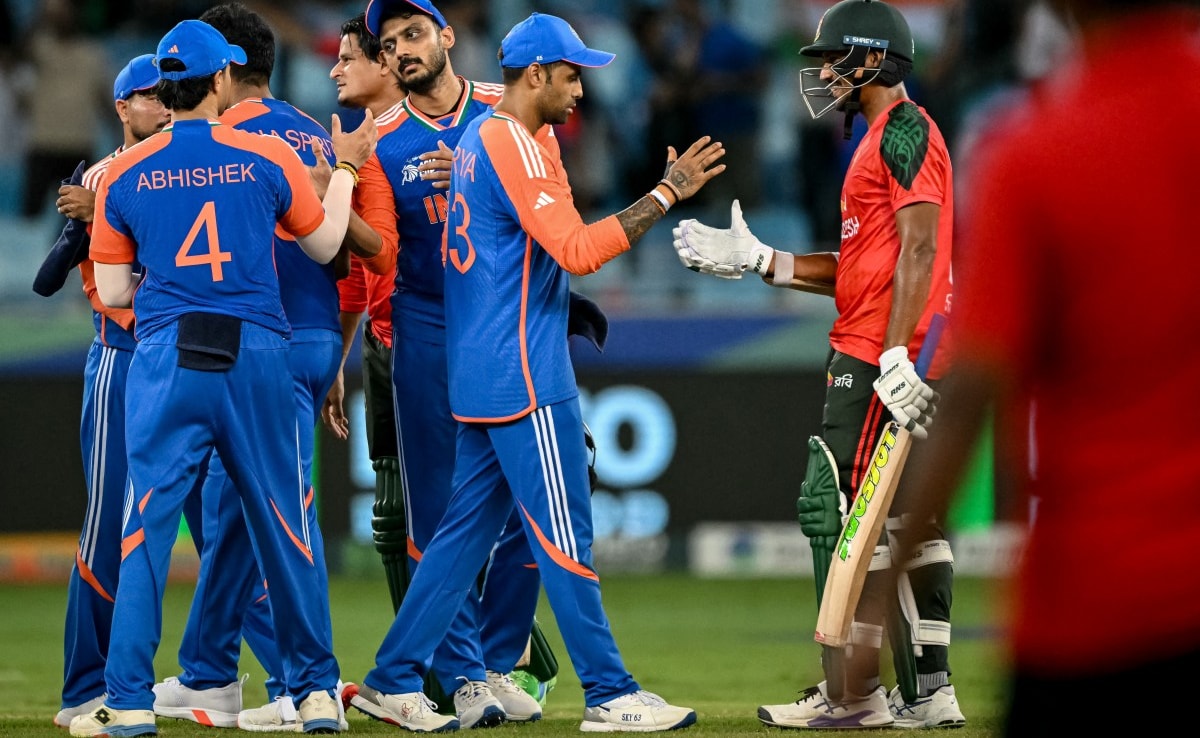
Whenever Bangladesh and India face each other on the cricket field, millions of fans closely follow the action. The rivalry has grown significantly over the years as Bangladesh has developed into a strong international cricket team.
Memorable encounters have occurred in:
- ICC tournaments
- Asia Cup competitions
- Bilateral series
- T20 international matches
- One Day International tournaments
The sporting aspect of bangladesh vs india often captures public attention because it combines national pride, competition, and entertainment.
Despite intense rivalry on the field, sports continue to strengthen people-to-people connections and mutual respect between athletes and fans.
Challenges Facing Both Nations
Both countries face important challenges that require long-term planning and cooperation.
Major Challenges
- Climate change impacts
- Urban congestion
- Employment generation
- Environmental sustainability
- Infrastructure demands
- Water resource management
- Public health improvements
Bangladesh faces significant climate-related risks due to its geographic location, while India must address challenges associated with managing development across a vast and diverse population.
Addressing these challenges effectively will shape the future narrative of bangladesh vs india and influence regional stability and prosperity.
Future Opportunities for Cooperation
The future relationship between Bangladesh and India offers enormous potential.
Several sectors present opportunities for deeper collaboration:
- Renewable energy
- Digital technology
- Cross-border transportation
- Education partnerships
- Healthcare initiatives
- Tourism development
- Regional trade networks
As both economies continue expanding, cooperation can create benefits that extend beyond national borders and contribute to broader South Asian development.
The future of bangladesh vs india is likely to involve greater economic integration, technological collaboration, and shared efforts to address regional challenges.
Conclusion
The comparison of Bangladesh and India reveals two nations connected by history, geography, culture, and economic interests. While India stands as one of the world’s largest economies and a major global power, Bangladesh has demonstrated remarkable progress through rapid industrial growth and social development.
The discussion surrounding bangladesh vs india should not be viewed solely through the lens of competition. Instead, it reflects a relationship that combines cooperation, mutual benefit, and healthy rivalry. From trade and education to infrastructure and sports, both countries continue to influence each other’s development and success.
Read more: India vs Bangladesh Live: Match Updates, Rivalry, and Complete Analysis