
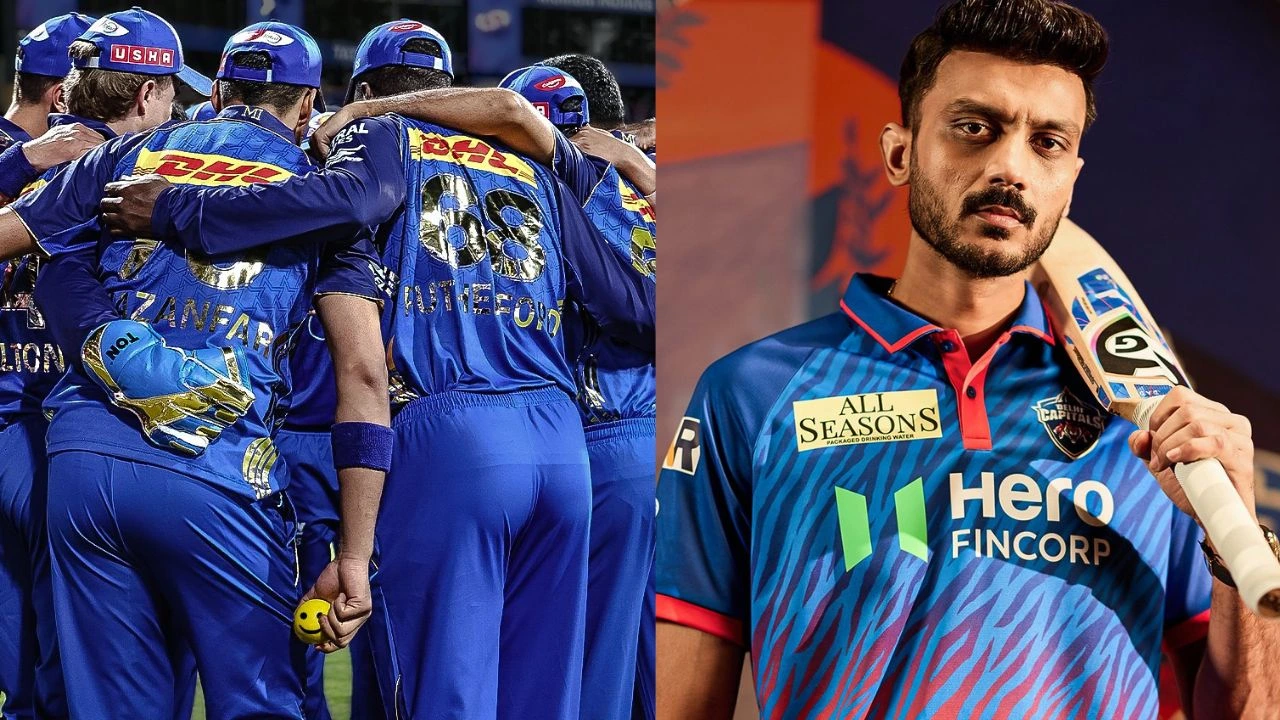
The mumbai indians vs delhi capitals timeline is one of the most intriguing narratives in the Indian Premier League (IPL), blending dominance, resurgence, and tactical evolution. Since the league’s inception in 2008, these two franchises have consistently produced high-intensity contests marked by explosive batting, elite bowling, and strategic depth.
While Mumbai Indians (MI) have historically been one of the most successful IPL teams, Delhi Capitals (DC)—formerly Delhi Daredevils—have undergone a dramatic transformation, especially post-2019. This shift has turned a once one-sided rivalry into a competitive and tactically rich battle.
From early MI dominance to DC’s resurgence and the iconic 2020 final, the rivalry reflects broader IPL trends—data-driven strategies, leadership influence, and squad depth. This blog explores the mumbai indians vs delhi capitals timeline through phases, statistics, and key turning points to provide a complete analytical perspective.
Early Years (2008–2012): Delhi’s Initial Edge
In the early IPL seasons, Delhi Daredevils were among the strongest teams, boasting a balanced squad and aggressive approach. During this phase of the mumbai indians vs delhi capitals timeline, Delhi often held the upper hand.
Between 2008 and 2012, Delhi’s performances were driven by explosive top-order batting and disciplined bowling. They secured multiple wins against Mumbai, including dominant victories in 2009 and 2012 seasons.
Mumbai Indians, meanwhile, were still building their identity. Despite having marquee players, consistency remained a challenge. However, even in these early years, MI showed glimpses of their future dominance with occasional big-margin victories.
This phase is crucial in understanding the rivalry because it highlights how Delhi initially set the tone. The matches were less about legacy and more about raw competition, with both teams experimenting tactically.
The early mumbai indians vs delhi capitals timeline was therefore defined by unpredictability, where Delhi’s stability often outperformed Mumbai’s evolving structure.
Mumbai Indians’ Rise (2013–2018): Era of Control
The period from 2013 to 2018 marked a turning point in the mumbai indians vs delhi capitals timeline, as MI emerged as a dominant force. This era coincided with Mumbai’s multiple IPL title wins and the development of a championship-winning core.
Mumbai’s success during this phase was built on:
- Strong leadership under Rohit Sharma
- A lethal bowling attack featuring death-over specialists
- A deep batting lineup capable of chasing or defending totals
Delhi, on the other hand, struggled with inconsistency and frequent squad changes. Their inability to maintain a stable core resulted in fluctuating performances.
Statistically, Mumbai gained a clear edge in head-to-head contests during this period. Their ability to win crucial moments—especially in tight chases—became a defining feature.
The mumbai indians vs delhi capitals timeline during these years reflects a shift from balanced competition to MI’s tactical superiority, where experience and squad depth consistently outclassed Delhi’s rebuilding efforts.
The Transformation Phase (2019–2021): Delhi’s Comeback
The rebranding of Delhi Daredevils into Delhi Capitals in 2019 marked a new chapter in the mumbai indians vs delhi capitals timeline. With young talents and a fresh management approach, DC emerged as serious contenders.
Between 2019 and 2021, Delhi showed remarkable improvement:
- Qualified for playoffs multiple times
- Built a strong Indian core
- Developed a balanced bowling attack
However, Mumbai Indians still maintained dominance in key encounters, particularly in high-pressure matches. The most defining moment came in the 2020 IPL final, where MI defeated DC to clinch the title.
This phase introduced a competitive equilibrium in the rivalry. While Mumbai remained the benchmark, Delhi’s rise ensured that matches were no longer predictable.
The mumbai indians vs delhi capitals timeline during this period is characterized by tactical battles, where both teams relied heavily on match-ups, analytics, and strategic planning.
Modern Era (2022–2025): Tactical Battles and Close Contests
In recent seasons, the mumbai indians vs delhi capitals timeline has evolved into a highly competitive rivalry. Both teams have exchanged victories, with no clear long-term dominance.
For instance:
- 2022 saw both teams winning one match each
- 2023 tilted slightly towards Mumbai
- 2024 and 2025 featured closely contested games with mixed results
The rivalry has also produced high-scoring thrillers. Delhi recorded a massive total of 257 runs, while Mumbai’s highest against DC stands at 247.
A notable 2025 moment saw Mumbai defeat Delhi by 59 runs to secure a playoff spot, underlining their ability to deliver in crunch situations.
This modern phase highlights how the mumbai indians vs delhi capitals timeline is now defined by:
- Tactical flexibility
- Depth in both squads
- Match-winning individual performances
The rivalry has matured into one of IPL’s most strategically engaging contests.
Head-to-Head Statistics and Performance Trends
A statistical overview provides deeper insight into the mumbai indians vs delhi capitals timeline.
Overall Head-to-Head Record
| Metric | Mumbai Indians | Delhi Capitals |
|---|---|---|
| Matches Played | 37 | 37 |
| Wins | 21 | 16 |
| Highest Score | 247 | 257 |
| Lowest Score | — | 66 |
Mumbai Indians lead the rivalry with 21 wins compared to Delhi’s 16, showcasing their historical dominance.
Key Insights
- MI has a stronger record in high-pressure matches
- DC performs better in batting-friendly conditions
- MI’s bowling often dictates match outcomes
- DC’s resurgence has narrowed the performance gap
These numbers reinforce that while Mumbai holds the historical advantage, the rivalry is becoming increasingly balanced.
Key Factors Shaping the Rivalry
Several elements have defined the mumbai indians vs delhi capitals timeline over the years:
1. Leadership Impact
Mumbai’s stability in captaincy has been a major advantage, while Delhi has benefited from fresh leadership approaches in recent years.
2. Squad Composition
MI’s emphasis on experienced players contrasts with DC’s youth-driven strategy, creating an interesting tactical contrast.
3. Match Conditions
- Wankhede Stadium favors MI’s batting depth
- Delhi pitches often support spinners, aiding DC
4. Clutch Performances
Mumbai’s ability to win knockout and must-win games gives them an edge in crucial moments.
5. Evolution of Strategy
Modern IPL analytics, match-ups, and data-driven decisions have significantly influenced recent encounters.
These factors collectively explain why the mumbai indians vs delhi capitals timeline continues to evolve with each season.
Conclusion
The mumbai indians vs delhi capitals timeline is more than just a sequence of matches—it is a reflection of IPL’s evolution itself. From Delhi’s early dominance to Mumbai’s golden era and the recent balance of power, the rivalry has undergone multiple transformations.
Read More:- Delhi Capitals vs Mumbai Indians Timeline Analysis