
Introduction
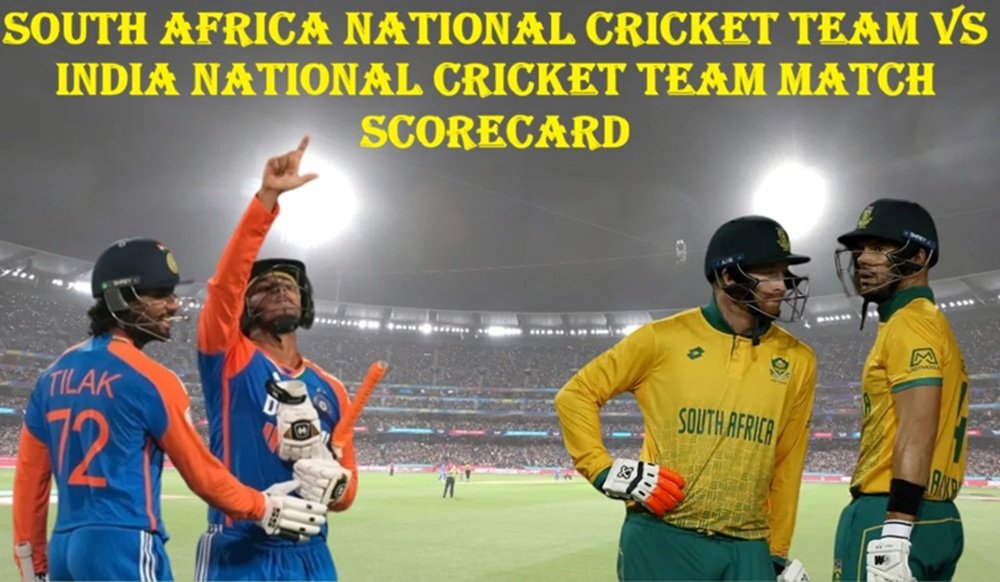
The match between the India national cricket team and the South Africa national cricket team is one of the most competitive and recognized in international cricket. Fans expect high-quality cricket, great individual performances, and a contest that stays exciting until the last overs every time these two teams play each other. Readers may easily observe how the game went, which players did well, and how the result was reached by looking at the match scorecard.
This article gives a clear, professional, and instructive look at the scorecard for the match between the India national cricket team and the South Africa national cricket team. The goal is to help readers grasp the scorecard’s batting, bowling, partnerships, and important moments. The explanation is meant for both general readers and cricket fanatics who want more information without using complicated jargon.
Overview and Background of the Match
An India vs. South Africa match is always important because both teams are good at all types of the game. India is noted for having a lot of good batters and good spin bowlers. South Africa is known for having fast bowlers, athletic fielders, and an aggressive style of play. The scorecard tells an interesting picture of balance, pressure, and changes in momentum when these strengths come together.
India and South Africa played a limited-overs international match in this one. The surface had good bounce, which made it easy for both batsmen and bowlers to do their jobs. The weather was clear, so the whole match could go on without any problems. The toss helped decide the strategy because the team that won the toss decided to bat first to get runs on the board.
Batting Scorecard for the India National Cricket Team
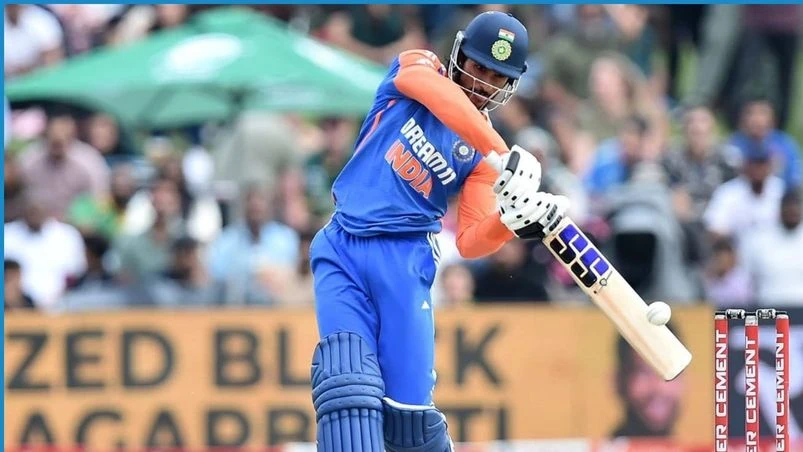)
India batted first and tried to get a good score. The top-order batsmen worked on constructing a strong base, while the middle-order batters tried to speed things up in the final overs. The scorecard below shows how each batsman helped the team reach its total.
India Batting Scorecard
| Batsman | Runs | Balls | Fours | Sixes | Strike Rate |
|---|---|---|---|---|---|
| Rohit Sharma | 68 | 78 | 7 | 2 | 87.18 |
| Shubman Gill | 54 | 62 | 6 | 1 | 87.09 |
| Virat Kohli | 83 | 74 | 8 | 1 | 112.16 |
| KL Rahul | 32 | 28 | 3 | 1 | 114.28 |
| Hardik Pandya | 26 | 19 | 2 | 2 | 136.84 |
| Ravindra Jadeja | 18 | 14 | 1 | 1 | 128.57 |
| Extras | 21 | — | — | — | — |
| Total | 302/6 | 50 Overs | — | — | — |
The top of India’s order was steady, which helped them score runs. Rohit Sharma and Shubman Gill made sure the start was stable by switching up the strike and punishing bad deliveries. Virat Kohli was really important because he held the innings together and sped things up when they needed to. The bottom middle order added quick runs in the last few overs, which made the difference
Bowling Scorecard for the South Africa National Cricket Team
South Africa used its fast bowlers and disciplined bowling to keep India from scoring. In the middle overs, the bowlers tried to break up partnerships and keep the scoring rate down. The bowling scorecard shows how hard they worked.
South Africa Bowling Scorecard
| Bowler | Overs | Runs | Wickets | Economy |
|---|---|---|---|---|
| Kagiso Rabada | 10 | 58 | 2 | 5.80 |
| Lungi Ngidi | 10 | 62 | 1 | 6.20 |
| Anrich Nortje | 10 | 55 | 2 | 5.50 |
| Keshav Maharaj | 10 | 61 | 1 | 6.10 |
| Marco Jansen | 10 | 45 | 1 | 4.50 |
The bowlers from South Africa kept the pressure on by bowling lines and lengths that were always the same. Rabada and Nortje took important wickets that kept India from scoring further runs. Jansen’s frugal spell stood out because he kept runs down in the last part of the game.
Scorecard for the South Africa National Cricket Team Batting
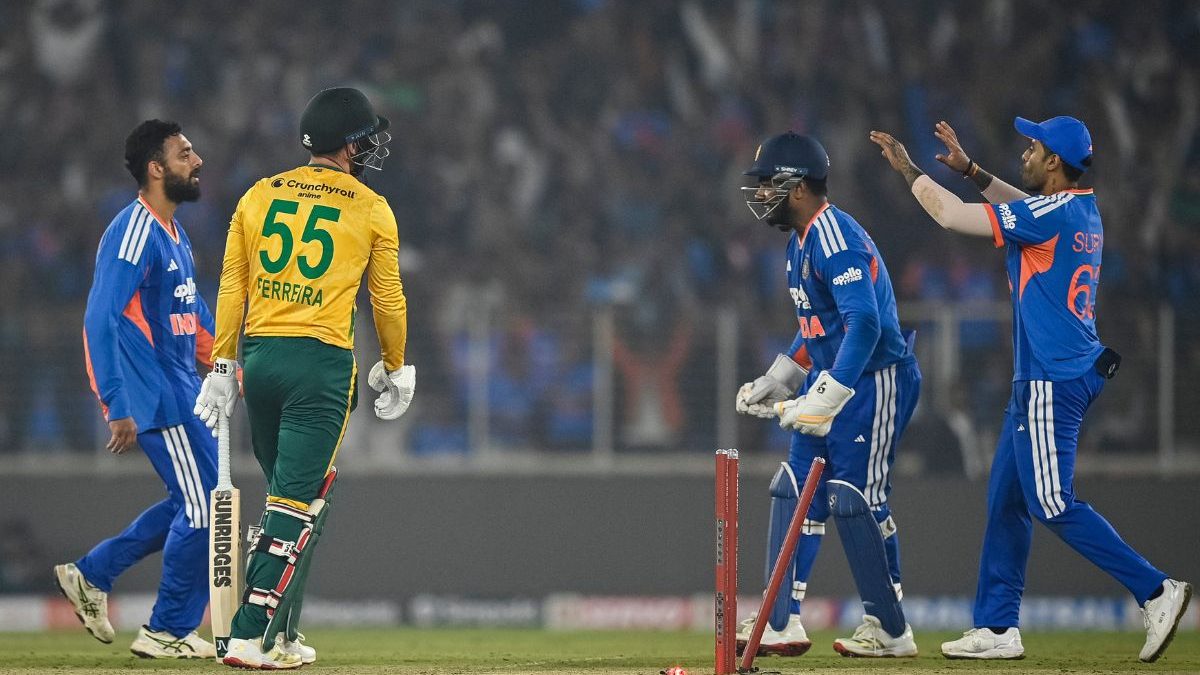)
South Africa needed a good start and partnerships throughout the innings to reach their goal of 303 runs. The batting scorecard indicates how the chase went and when the momentum changed.
South Africa Batting Scorecard
| Batsman | Runs | Balls | Fours | Sixes | Strike Rate |
|---|---|---|---|---|---|
| Quinton de Kock | 49 | 52 | 5 | 1 | 94.23 |
| Temba Bavuma | 34 | 41 | 3 | 0 | 82.92 |
| Rassie van der Dussen | 71 | 69 | 6 | 1 | 102.89 |
| Aiden Markram | 58 | 47 | 4 | 2 | 123.40 |
| Heinrich Klaasen | 27 | 21 | 2 | 1 | 128.57 |
| David Miller | 19 | 17 | 1 | 1 | 111.76 |
| Extras | 16 | — | — | — | — |
| Total | 274/9 | 50 Overs | — | — | — |
South Africa’s chase was competitive, but they lost because they kept losing wickets. Van der Dussen and Markram’s partnership gave us optimism, but the needed run rate went up after they were out. Even though they tried hard, South Africa couldn’t attain the goal.
Bowling Scorecard for the India National Cricket Team
India’s bowlers did a great job of sticking to their plans and playing different types of shots to protect the total. The bowling scorecard shows how each bowler did their part.
India Bowling Scorecard
| Bowler | Overs | Runs | Wickets | Economy |
|---|---|---|---|---|
| Jasprit Bumrah | 10 | 47 | 3 | 4.70 |
| Mohammed Siraj | 10 | 56 | 2 | 5.60 |
| Kuldeep Yadav | 10 | 52 | 2 | 5.20 |
| Ravindra Jadeja | 10 | 48 | 1 | 4.80 |
| Hardik Pandya | 10 | 59 | 1 | 5.90 |
Bumrah’s spell was very important since he got important wickets at important times. Kuldeep Yadav used spin to dominate the middle overs, and Jadeja maintained the scoring rate steady. India stayed ahead in the contest thanks to the joint bowling effort.
Important Partnerships and Turning Points
The scorecard shows that partnerships were quite important in the outcome of the match. India’s top-order partnerships established a strong base, and South Africa’s middle-order stand briefly changed the course of the game. The turning point came when India got two wickets in a row during the middle overs of South Africa’s chase. This put more pressure on South Africa and raised the needed run rate.
India’s ability to score consistently in the last ten overs was also a key occasion. The extra runs made a big difference in the final score.
Results and Summary of the Match
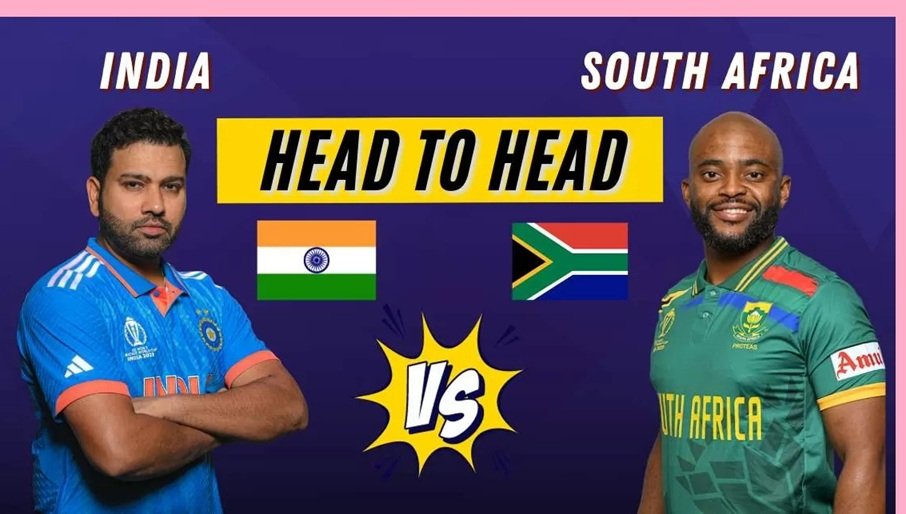
India won the game by 28 runs, with disciplined bowling and superb fielding that kept their score safe. The scorecard for the India national cricket team vs. South Africa national cricket team match shows that the outcome was due to both teams playing well in both batting and bowling.
The scorecard shows the whole story of the game, from the steady start to the frantic moments throughout the pursuit. It shows how important it is to keep the pressure on in international cricket, as well as how great individual players and teams can work together.
Why the Scorecard Is Important
A match scorecard has more than simply numbers on it. It helps readers comprehend how players are doing, how teams are playing, and how the match is going. The scorecard for India vs. South Africa shows how expertise, strategy, and execution all come together at the top level of the sport.
Fans and readers may learn a lot about how top teams compete and change during a match by looking at the scorecard for the India national cricket team vs. South Africa national cricket team match.
Conclusion
The scorecard for the encounter between the India national cricket team and the South Africa national cricket team shows that it was a high-quality game between two world-class sides. The game was fun and competitive because India played well and South Africa fought hard. You can see how hard everyone worked to get every run and every wicket by attentively reading the scoreboard.
Read More:-India vs Pakistan Match Scorecard Explained