

The shot put is one of the oldest and most exciting field events in athletics. It combines explosive power, precise technique, balance, and mental focus to propel a heavy metal ball as far as possible. Although it may seem like a simple test of strength, elite athletes know that success depends on mastering body mechanics, timing, and years of dedicated practice. Today, this event is featured in the Olympic Games, World Athletics Championships, and national competitions around the world.
Athletes of all ages participate in this discipline because it develops overall body strength, coordination, and confidence. Coaches also use it to improve athletic performance in other sports that require power and explosive movement. Whether you are a beginner looking to understand the basics or a sports enthusiast interested in learning more, this guide covers everything from history and rules to training methods and common mistakes. By the end, you will have a complete understanding of why the shot put remains one of athletics’ most respected and technically demanding events.
History of Shot Put
The origins of this event date back thousands of years. Ancient civilizations often held competitions where participants threw heavy stones or cannonballs to demonstrate strength and skill. During the Middle Ages, soldiers practiced throwing cannonballs as part of military training. These activities gradually evolved into organized sporting events.
The modern version became standardized in the 19th century, especially in Scotland and England. It was later included in the first modern Olympic Games in 1896 for men, while women’s competition was introduced in 1948. Since then, the event has undergone significant changes in coaching methods, equipment, and athlete preparation.
Today, athletes from countries such as the United States, Germany, Poland, and New Zealand have achieved remarkable success in international competitions. Advances in sports science, nutrition, and biomechanics have helped competitors throw farther than ever before. Despite these improvements, the core objective has remained the same: throw the heavy ball farther than every other competitor.
How Shot Put Works
The objective is straightforward. Athletes stand inside a circular throwing area and launch a heavy metal ball using one hand while keeping it close to the neck before release. Unlike a traditional throw, competitors must push the ball rather than swing or throw it overhand.
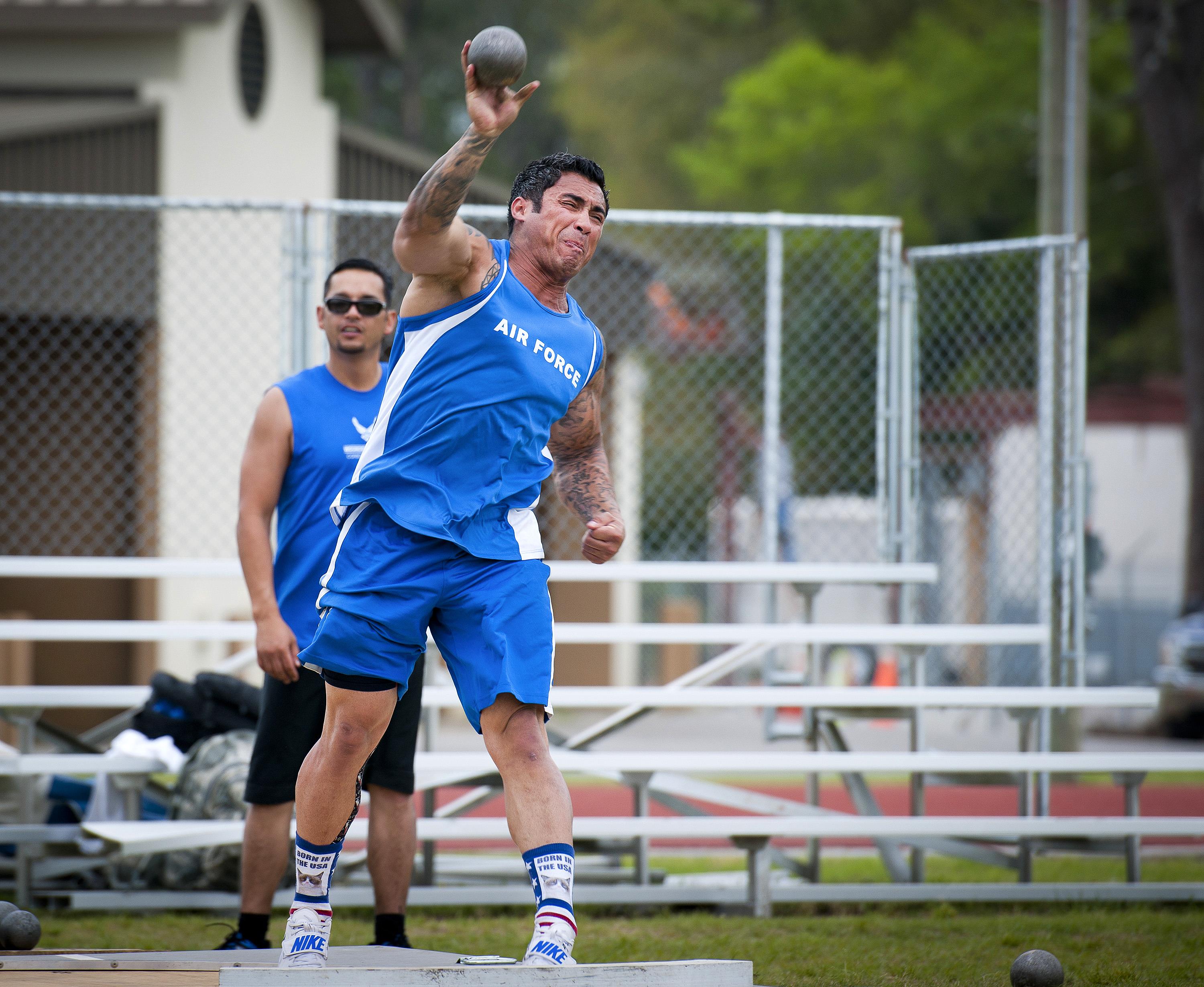
Every athlete receives multiple attempts, and the farthest legal throw determines the final result. Officials carefully measure each valid attempt from the inside edge of the throwing circle to the nearest point where the shot lands.
To perform well, athletes rely on several factors:
- Explosive leg drive
- Strong core muscles
- Excellent balance
- Proper release angle
- Fast arm extension
- Smooth body rotation
Although strength is essential, technique often makes the biggest difference between average and elite performances.
Rules of Shot Put
Understanding the official rules helps athletes avoid unnecessary fouls and improve consistency during competitions. International athletics organizations follow standardized regulations to ensure fairness.
Some of the most important rules include:
- The shot must begin against the athlete’s neck.
- The competitor must remain inside the throwing circle until the shot lands.
- The shot must be pushed, not thrown.
- Athletes cannot step over the toe board during the attempt.
- The shot must land inside the marked throwing sector.
- Competitors usually receive six attempts in the final round.
A foul throw receives no measurement regardless of distance. Maintaining control throughout the movement is therefore just as important as producing maximum power.
Equipment Used in Shot Put
The equipment is relatively simple but must meet official standards. The primary piece of equipment is the shot itself, which is made of solid metal or another approved material.
| Equipment | Purpose |
|---|---|
| Metal Shot | Object thrown during competition |
| Throwing Circle | Designated area where athletes perform |
| Toe Board | Prevents stepping forward illegally |
| Throwing Shoes | Improve grip and stability |
| Chalk | Enhances hand grip |
| Measuring Tape | Determines official throwing distance |
The weight of the shot varies depending on the athlete’s age, gender, and competition category. Younger athletes use lighter shots to develop proper technique before progressing to heavier equipment.
Basic Techniques Every Athlete Should Learn
Proper technique separates successful throwers from beginners. Coaches generally teach athletes in stages, ensuring each movement becomes natural before increasing speed or power.
The Glide Technique
The glide technique became popular during the mid-20th century. In this method, the athlete starts at the back of the circle facing away from the throwing sector. A powerful backward glide positions the body for an explosive release.
Advantages include:
- Easier to learn
- Better balance
- Consistent performance
- Ideal for beginners
Many developing athletes begin with this technique before advancing to more complex movements.
The Rotational Technique
The rotational technique involves spinning across the circle before releasing the shot. It resembles the discus throw but requires greater control because of the heavier implement.
Benefits include:
- Greater momentum
- Higher release speed
- Longer potential throws
- Better use of body rotation
However, it demands excellent coordination and takes considerably longer to master.
Training for Better Performance
Improving performance requires much more than practicing throws. Successful athletes follow structured training programs that develop every aspect of physical fitness.
Strength training focuses on compound exercises such as squats, deadlifts, bench presses, and overhead presses. These movements increase total-body power needed for explosive throws.

Plyometric exercises improve speed and force production. Box jumps, medicine ball throws, and jump squats help athletes generate explosive energy.
Flexibility also plays a significant role. Regular stretching improves mobility in the hips, shoulders, ankles, and spine, allowing smoother movement throughout the throwing action.
Conditioning sessions maintain endurance without sacrificing muscle strength. Athletes often combine sprint training with agility drills to improve athletic performance.
Consistent practice, proper recovery, balanced nutrition, and quality sleep are equally important for long-term improvement.
Common Mistakes Beginners Should Avoid
Many athletes struggle because they focus only on strength while ignoring technical details. Small errors can significantly reduce throwing distance.
Common mistakes include:
- Throwing instead of pushing the shot
- Poor balance during movement
- Weak leg drive
- Releasing the shot too early
- Incorrect release angle
- Lifting the elbow too low
- Stepping outside the circle
- Ignoring warm-up routines
Working with an experienced coach helps identify these problems early before they become difficult habits to correct.
Benefits of Practicing Shot Put
Participating in this event offers numerous physical and mental benefits beyond competition.
Physical advantages include increased muscular strength, improved coordination, stronger bones, enhanced balance, and better athletic performance across multiple sports.
Mental benefits are equally valuable. Athletes learn patience, discipline, confidence, concentration, and resilience. Since progress often comes gradually, competitors develop persistence and a strong work ethic.
Schools and athletic clubs frequently include throwing events because they promote full-body development while teaching valuable life skills such as goal setting and self-improvement.
Major International Shot Put Competitions
The event features prominently in many prestigious athletics competitions around the world. Winning at these tournaments represents the highest achievement for professional throwers.
Some of the biggest championships include:
- Olympic Games
- World Athletics Championships
- Continental Championships
- Diamond League Meetings
- Commonwealth Games
- National Athletics Championships
- University Athletics Championships
These competitions attract the world’s best athletes and often produce record-breaking performances that inspire future generations.
Tips for Improving Your Throwing Distance
Athletes constantly search for ways to increase throwing distance while maintaining consistency.
Here are several practical tips:
- Master technique before increasing power.
- Build strong legs and core muscles.
- Practice explosive movements regularly.
- Improve shoulder mobility.
- Maintain proper body alignment.
- Record training sessions for technical analysis.
- Follow a balanced nutrition plan.
- Prioritize recovery and adequate sleep.
Consistent improvement comes from combining technical practice with smart physical preparation rather than relying on strength alone.
The Future of Shot Put
Modern technology continues to transform athletics. Coaches now use motion analysis software, wearable performance trackers, and high-speed video to identify technical improvements with incredible accuracy. Sports scientists study biomechanics to optimize every phase of the throw while reducing injury risk.
Artificial intelligence, advanced strength programs, and individualized training plans are helping athletes reach new performance levels. Younger athletes also benefit from improved coaching resources and better access to quality facilities.
As athletics continues to grow worldwide, participation in throwing events is increasing among both men and women. Schools, universities, and sports academies are investing more in athlete development, ensuring the future of this discipline remains bright. The combination of tradition and innovation will likely produce even more impressive performances in the years ahead.
Conclusion
The shot put is far more than a simple test of strength. It is a highly technical athletic event that demands precision, coordination, explosive power, and mental discipline. From its ancient origins to its place on the Olympic stage, it has evolved into one of the most respected field events in athletics. Whether you are a beginner learning the fundamentals or an experienced competitor striving for longer throws, consistent practice, proper coaching, and structured training are the keys to success. Understanding the rules, refining technique, building strength, and avoiding common mistakes will help every athlete improve over time.